Holistic Wellness: The Ultimate Guide to Mind-Body-Spirit Connection
Meta Description: Discover holistic wellness practices for complete mind-body-spirit harmony. Explore integrative techniques for lasting health, happiness, and balance in this comprehensive guide.
Author: Lifestyle Sprout Editorial Team
Reading Time: 18 minutes
Category: Wellness
Last Updated: March 2026
Pin this for later! 📌 Save this holistic wellness guide to your self-care board for daily inspiration!
Introduction: Embracing the Holistic Approach
Holistic wellness represents a profound shift in how we understand health and wellbeing. Rather than viewing the body, mind, and spirit as separate entities to be addressed in isolation, holistic wellness recognizes their intricate interconnectedness. When we nourish one aspect of our being, the others respond in kind; when we neglect one, the entire system suffers.
This ancient wisdom—found in traditional healing systems from Ayurveda to Traditional Chinese Medicine—is now being validated by modern science. Research consistently demonstrates that stress affects physical health, that physical activity improves mental clarity, that spiritual practices enhance immune function, and that emotional wellbeing influences longevity. The body-mind-spirit connection isn't mystical philosophy; it's biological reality.
In our fast-paced, fragmented modern world, the pursuit of holistic wellness has become not just desirable but essential. Chronic stress, digital overwhelm, environmental toxins, and disconnected lifestyles have created unprecedented challenges to our wellbeing. The holistic approach offers a roadmap back to balance—a way of living that honors our complete humanity and creates resilience against life's inevitable challenges.
This comprehensive guide explores every dimension of holistic wellness, providing practical tools, evidence-based strategies, and time-honored wisdom for cultivating lasting health and happiness. Whether you're new to holistic living or seeking to deepen your practice, you'll find actionable guidance for transforming your relationship with yourself and your world.
Table of Contents
- Understanding Holistic Wellness
- Nourishing the Physical Body
- Cultivating Mental Wellness
- Awakening Spiritual Connection
- Emotional Intelligence & Healing
- Integrative Movement Practices
- Mindfulness & Meditation
- Holistic Nutrition
- Energy Medicine & Bodywork
- Creating a Holistic Lifestyle
- Frequently Asked Questions
Understanding Holistic Wellness
The Five Dimensions of Wellness
Holistic wellness encompasses five interconnected dimensions:
1. Physical Wellness:
The foundation upon which all other wellness builds. Includes nutrition, movement, sleep, and physical self-care.
2. Mental Wellness:
Cognitive health, stress management, mental clarity, and the ability to focus and learn.
3. Emotional Wellness:
The capacity to understand, express, and manage emotions in healthy ways.
4. Social Wellness:
The quality of our relationships and sense of connection to community.
5. Spiritual Wellness:
Our sense of purpose, meaning, and connection to something greater than ourselves.
The Interconnection Principle
Modern research validates what ancient traditions taught: these dimensions are not separate but profoundly interconnected.
The Gut-Brain Connection:
- 95% of serotonin produced in gut
- Gut microbiome affects mood and cognition
- Stress alters digestive function
- Nutrition impacts mental health
The Mind-Immune Connection:
- Chronic stress suppresses immune function
- Positive emotions enhance immune response
- Meditation increases antibody production
- Loneliness increases inflammation
The Body-Spirit Connection:
- Physical movement alters consciousness
- Breathwork induces meditative states
- Nature exposure enhances spiritual wellbeing
- Ritual and ceremony affect physiology
The Holistic Wellness Model vs. Conventional Medicine
| Aspect | Conventional Medicine | Holistic Wellness |
|---|---|---|
| Focus | Disease treatment | Health optimization |
| Approach | Symptom management | Root cause resolution |
| Patient role | Passive recipient | Active participant |
| Time frame | Acute intervention | Lifelong journey |
| Tools | Pharmaceuticals, surgery | Lifestyle, natural therapies |
| View of body | Mechanical system | Integrated whole |
Nourishing the Physical Body
Foundations of Physical Wellness
Sleep as Medicine:
Quality sleep is non-negotiable for holistic wellness:
- 7-9 hours for most adults
- Consistent sleep/wake times
- Cool, dark, quiet sleep environment
- Limited screens 1-2 hours before bed
- Morning sunlight exposure
Recommended Sleep Support:
- Manta Sleep Mask – Complete blackout (affiliate link)
- White Noise Machine – LectroFan Classic (affiliate link)
- Blue Light Blocking Glasses – Swannies for evening use (affiliate link)
- Weighted Blanket – Gravity Blanket for deeper sleep (affiliate link)
Movement as Celebration:
Exercise shouldn't be punishment. Find movement you enjoy:
- Dancing
- Hiking in nature
- Swimming
- Yoga or tai chi
- Strength training
- Team sports
- Walking meetings
Movement Guidelines:
- 150 minutes moderate activity weekly
- 2 strength training sessions
- Daily movement breaks from sitting
- Outdoor exercise when possible
- Joyful movement over obligation
Hydration for Vitality:
Water is essential for every bodily function:
- Half body weight in ounces daily
- More with exercise or heat
- Filtered water preferred
- Morning hydration essential
- Herbal teas count toward intake
Recommended:
- Berkey Water Filter – Best home filtration (affiliate link)
- Hydro Flask – Stainless steel bottles (affiliate link)
- LMNT Electrolytes – Clean hydration support (affiliate link)
Holistic Body Care Practices
Dry Brushing:
- Stimulates lymphatic system
- Exfoliates skin
- Energizes morning routine
- Use natural bristle brush
- Brush toward heart
Epsom Salt Baths:
- Magnesium absorption through skin
- Muscle relaxation
- Stress reduction
- Add essential oils
- 20-minute soak optimal
Abhyanga (Self-Massage):
- Ayurvedic oil massage
- Warm oil before application
- Massage toward heart
- Use sesame or coconut oil
- Calms nervous system
Recommended Oils:
- Banyan Botanicals Sesame Oil – Traditional Ayurvedic (affiliate link)
- Organic India Coconut Oil – Cooling for summer (affiliate link)
Cultivating Mental Wellness
Stress Management Strategies
The Nervous System Reset:
Modern life keeps us in chronic sympathetic (fight-or-flight) activation. Holistic wellness requires regular parasympathetic (rest-and-digest) engagement.
Vagus Nerve Stimulation:
- Deep, slow breathing (6 breaths/minute)
- Humming or singing
- Cold water face immersion
- Gargling
- Laughter
- Social connection
Recommended Tools:
- Apollo Neuro – Wearable stress relief (affiliate link)
- Sensate – Vagus nerve toning device (affiliate link)
- Muse Headband – Meditation feedback (affiliate link)
Cognitive Health Optimization:
Brain-Boosting Nutrition:
- Omega-3 fatty acids (fatty fish, walnuts)
- Antioxidant-rich berries
- Leafy greens
- Turmeric with black pepper
- Dark chocolate (70%+ cacao)
Mental Exercise:
- Learn new skills regularly
- Practice musical instruments
- Engage in creative activities
- Read challenging material
- Play strategy games
- Learn languages
Digital Wellness:
- Screen time limits
- App blockers during focus time
- Regular digital detox days
- No phones in bedroom
- Mindful social media use
Recommended Apps:
- Freedom – Block distracting apps (affiliate link)
- Brain.fm – Focus-enhancing music (affiliate link)
- Lumosity – Brain training games (affiliate link)
Mental Clarity Practices
The Power of Single-Tasking:
Multitasking fragments attention and reduces effectiveness. Practice full presence:
- One task at a time
- Close unnecessary tabs
- Silence notifications
- Set focused work blocks
- Take mindful breaks
Journaling for Mental Processing:
- Morning pages (3 pages, stream of consciousness)
- Gratitude journaling
- Problem-solving writing
- Emotional processing
- Goal setting and visioning
Recommended Journals:
- The Five Minute Journal – Gratitude practice (affiliate link)
- Morning Pages Journal – Stream of consciousness (affiliate link)
- BestSelf Co. Journal – Goal-oriented (affiliate link)
Awakening Spiritual Connection
Understanding Spiritual Wellness
Spiritual wellness isn't necessarily religious—it's about connection to meaning, purpose, and something greater than ourselves. For some, this involves traditional religion; for others, it's found in nature, creativity, service, or personal growth.
Signs of Spiritual Wellness:
- Sense of purpose and meaning
- Feeling connected to others and the world
- Capacity for wonder and awe
- Alignment between values and actions
- Acceptance of life's mysteries
- Comfort with solitude
- Gratitude practice
Spiritual Practices for Daily Life
Morning Rituals:
- Meditation or prayer
- Intention setting
- Gratitude practice
- Sacred reading
- Journaling
- Movement (yoga, tai chi)
Evening Rituals:
- Reflection on the day
- Gratitude review
- Forgiveness practice
- Preparation for rest
- Disconnecting from technology
Weekly Practices:
- Nature immersion (forest bathing)
- Creative expression
- Community gathering
- Service to others
- Sabbath or rest day
Meditation Techniques:
Mindfulness Meditation:
- Focus on breath
- Observe thoughts without judgment
- Return attention to present moment
- Start with 5-10 minutes daily
Loving-Kindness (Metta) Meditation:
- Send well-wishes to yourself
- Extend to loved ones
- Include neutral people
- Include difficult people
- Extend to all beings
Transcendental Meditation:
- Use personal mantra
- Practice 20 minutes twice daily
- Learn from certified teacher
- Deep rest for mind and body
Recommended Resources:
- Headspace – Guided meditation app (affiliate link)
- Calm – Sleep stories and meditations (affiliate link)
- Waking Up – Sam Harris's secular approach (affiliate link)
- Insight Timer – Free meditation library (affiliate link)
Emotional Intelligence & Healing
Understanding Emotional Wellness
Emotional wellness is the capacity to navigate life's emotional landscape with awareness, skill, and resilience. It involves recognizing emotions as information, expressing them appropriately, and developing healthy coping strategies.
The Emotion Wheel:
Understanding the full spectrum of emotions helps develop emotional literacy:
- Primary emotions: joy, sadness, anger, fear, disgust
- Secondary emotions: blends and variations
- Cultural and personal influences on emotional expression
Emotional Regulation Techniques
The RAIN Technique:
- Recognize what is happening
- Allow the experience to be there
- Investigate with kindness
- Non-identification (you are not your emotions)
Somatic Release:
Emotions live in the body. Release through:
- Shaking or trembling
- Deep breathing
- Movement and dance
- Crying
- Vocal expression
- Body scanning
Emotional Freedom Technique (Tapping):
- Tap on acupuncture points
- State the problem while tapping
- Move through negative emotions
- End with positive reframing
Recommended Resources:
- The Tapping Solution App – Guided EFT (affiliate link)
- Book: The Body Keeps the Score – Trauma and healing (affiliate link)
- Book: Emotional Intelligence – Daniel Goleman (affiliate link)
Building Emotional Resilience
Resilience Factors:
- Strong social connections
- Sense of purpose
- Optimistic outlook
- Problem-solving skills
- Self-efficacy belief
- Adaptive coping strategies
Resilience-Building Practices:
- Regular exercise
- Adequate sleep
- Mindfulness practice
- Social support cultivation
- Meaningful work
- Humor and play
- Time in nature
Integrative Movement Practices
Yoga: Union of Body, Mind & Spirit
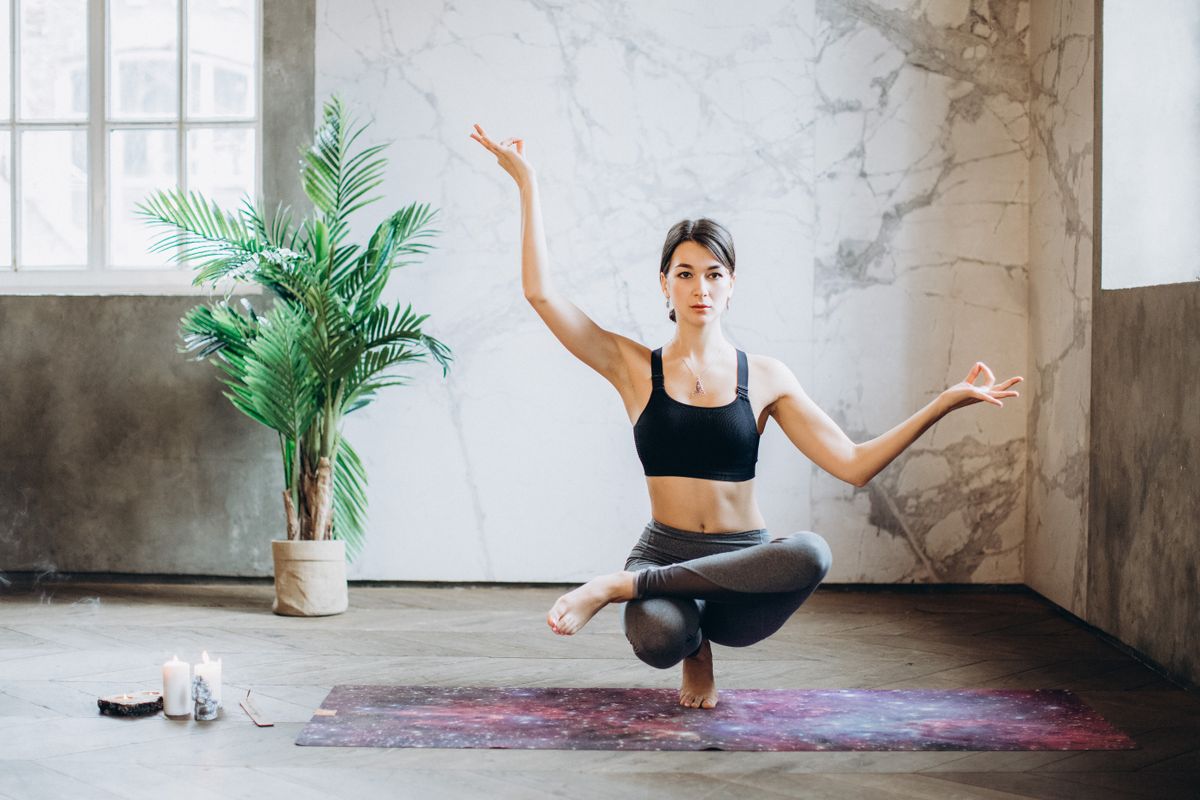
Yoga offers a complete holistic wellness practice, combining physical postures, breathwork, and meditation.
Styles for Different Needs:
Hatha: Gentle, foundational—perfect for beginners
Vinyasa: Flowing, dynamic—builds strength and cardiovascular fitness
Yin: Long-held poses—targets connective tissue, cultivates patience
Restorative: Fully supported poses—deep relaxation and healing
Kundalini: Breath-focused with mantras—spiritual awakening
Ashtanga: Rigorous, structured—discipline and strength
Recommended Yoga Resources:
- Yoga with Adriene – Free YouTube channel (affiliate link)
- Alo Moves – Variety of styles (affiliate link)
- Glo – Yoga, Pilates, meditation (affiliate link)
- Manduka Yoga Mat – Premium mat (affiliate link)
Tai Chi & Qigong
These Chinese movement practices cultivate life energy (qi) through slow, mindful movement.
Benefits:
- Improved balance and coordination
- Stress reduction
- Enhanced immune function
- Better sleep
- Increased energy
- Mental clarity
Getting Started:
- Look for local classes
- Many senior centers offer programs
- YouTube has excellent beginner videos
- Practice in parks with groups
- Consistency matters more than duration
Dance as Medicine
Movement through dance expresses what words cannot:
Ecstatic Dance:
- Free-form movement
- No talking on dance floor
- Journey through different energies
- Community connection
5Rhythms:
- Structured wave: flowing, staccato, chaos, lyrical, stillness
- Created by Gabrielle Roth
- Personal exploration
- No steps to learn
Nia:
- Fusion of martial arts, dance, healing arts
- Joyful movement
- Barefoot
- Adaptable to all fitness levels
Mindfulness & Meditation
Establishing a Meditation Practice
Creating Your Space:
- Dedicated meditation spot
- Cushion or chair
- Quiet environment
- Minimal distractions
- Optional: candles, incense, sacred objects
Building the Habit:
- Same time daily
- Start small (5 minutes)
- Attach to existing habit
- Use guided meditations
- Be patient with yourself
- Track your streaks
Recommended Cushions:
- Buckwheat Hull Zafu – Traditional meditation cushion (affiliate link)
- Crescent Meditation Cushion – Better hip support (affiliate link)
- Meditation Bench – Alternative for knee issues (affiliate link)
Advanced Mindfulness Practices
Mindful Eating:
- Eat without distractions
- Appreciate colors and aromas
- Chew thoroughly
- Notice flavors and textures
- Recognize hunger and fullness cues
- Gratitude for food and its sources
Walking Meditation:
- Slow, deliberate steps
- Feel contact with ground
- Coordinate with breath
- Can be done anywhere
- Alternative to seated practice
Body Scan Meditation:
- Systematic attention through body
- Notice sensations without judgment
- Release tension
- Develop interoceptive awareness
- Promotes relaxation
Holistic Nutrition
Principles of Holistic Eating
Holistic nutrition views food as medicine, nourishment, and connection. It's not just about nutrients—it's about how, when, and why we eat.
Key Principles:
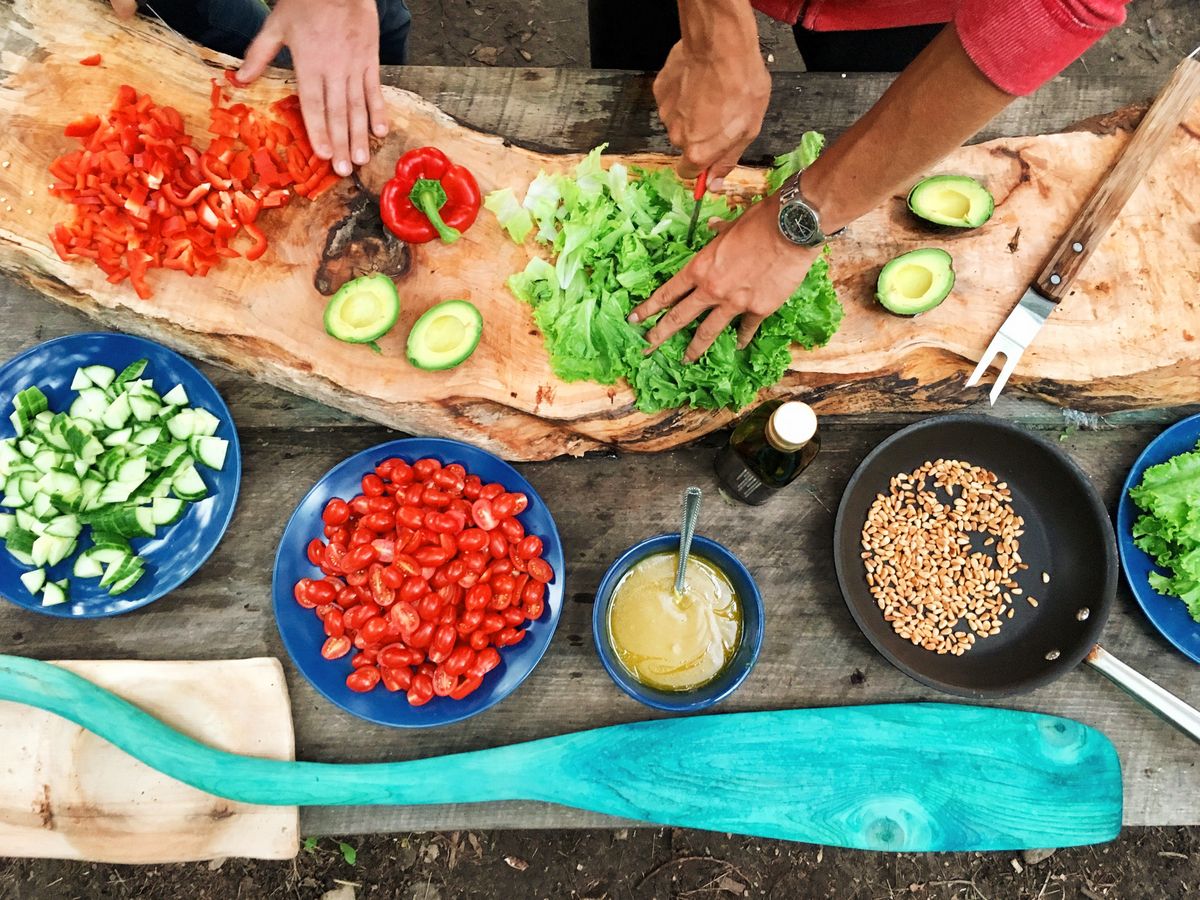
- Eat whole, unprocessed foods
- Choose organic when possible
- Eat seasonally and locally
- Honor cultural food traditions
- Practice mindful eating
- Listen to your body's wisdom
- Share meals with others
- Gratitude for your food
Anti-Inflammatory Foods:
- Fatty fish (salmon, sardines, mackerel)
- Leafy greens (spinach, kale, Swiss chard)
- Berries (blueberries, strawberries, blackberries)
- Nuts and seeds (walnuts, flaxseeds, chia)
- Turmeric and ginger
- Green tea
- Olive oil
- Cruciferous vegetables
Foods to Minimize:
- Processed and packaged foods
- Refined sugars
- Industrial seed oils
- Artificial additives
- Excessive alcohol
- Factory-farmed meats
Eating for Mind-Body-Spirit
The Six Tastes of Ayurveda:
- Sweet (grains, dairy, fruit)
- Sour (citrus, fermented foods)
- Salty (sea vegetables, minerals)
- Pungent (spices, peppers)
- Bitter (leafy greens, turmeric)
- Astringent (legumes, tea)
A balanced meal includes all six tastes for complete nourishment and satisfaction.
Recommended Resources:
- Thrive Market – Organic groceries delivered (affiliate link)
- Butcher Box – Grass-fed meat delivery (affiliate link)
- Book: The Omnivore's Dilemma – Understanding food systems (affiliate link)
Energy Medicine & Bodywork
Acupuncture & Traditional Chinese Medicine
Acupuncture balances the body's energy (qi) through specific point stimulation.
Benefits:
- Pain relief
- Stress reduction
- Improved sleep
- Digestive support
- Hormonal balance
- Immune support
Finding a Practitioner:
- Look for licensed acupuncturists (L.Ac.)
- Check NCCAOM certification
- Read reviews
- Schedule consultation
- Commit to series of treatments
Reiki & Energy Healing
Reiki is a Japanese technique for stress reduction and relaxation that promotes healing through universal life force energy.
What to Expect:
- Practitioner places hands on or near body
- Deep relaxation
- Warmth or tingling sensations
- Emotional release
- Sense of peace and wellbeing
Learning Reiki:
- Three levels of training
- Attunements from Reiki master
- Can practice on yourself
- First degree focuses on self-healing
Massage & Bodywork Modalities
Swedish Massage:
- Relaxation and circulation
- Long, flowing strokes
- Good for beginners
Deep Tissue:
- Addresses chronic tension
- Slower, deeper pressure
- May be uncomfortable during treatment
Myofascial Release:
- Addresses connective tissue
- Gentle, sustained pressure
- Releases long-held patterns
Craniosacral Therapy:
- Subtle, profound work
- Addresses nervous system
- Very gentle touch
Thai Massage:
- Assisted stretching
- Energy line work
- Fully clothed
- Active participation
Recommended Tools:
- Theragun – Percussive therapy (affiliate link)
- Foam Roller – Trigger Point GRID (affiliate link)
- Massage Balls – Yoga Tune Up balls (affiliate link)
Creating a Holistic Lifestyle
Your Holistic Wellness Routine
Morning Ritual (30-60 minutes):
- Wake without alarm when possible
- Hydrate with warm lemon water
- Movement practice (yoga, tai chi, walking)
- Meditation or breathwork (10-20 minutes)
- Nourishing breakfast
- Intention setting for the day
Workday Integration:
- Morning check-in with priorities
- Movement breaks every hour
- Mindful lunch away from screens
- Afternoon tea ritual
- Breathwork before meetings
- Gratitude practice at day's end
Evening Wind-Down:
- Light movement or stretching
- Digital sunset (screens off)
- Warm bath or self-massage
- Journaling or reading
- Relaxation practice
- Consistent bedtime
Creating a Holistic Home Environment
Decluttering for Mental Clarity:
- Marie Kondo method
- One in, one out rule
- Regular donation practice
- Digital decluttering too
- Clear spaces, clear mind
Recommended:
- Book: The Life-Changing Magic of Tidying Up – Marie Kondo (affiliate link)
- Bamboo Organizer Set – Natural storage (affiliate link)
Bringing Nature Indoors:
- Houseplants for air purification
- Natural light maximization
- Natural materials (wood, stone, cotton)
- Nature sounds or fountains
- Essential oil diffusers
Recommended:
- Snake Plant – Hardy air purifier (affiliate link)
- Pothos – Low-light tolerant (affiliate link)
- Vitruvi Diffuser – Ceramic essential oil diffuser (affiliate link)
Sacred Space Creation:
- Designate meditation corner
- Include meaningful objects
- Use candles and soft lighting
- Fresh flowers or plants
- Comfortable seating
- Minimal distractions
Seasonal Living
Spring:
- Cleansing and renewal
- Lighter foods
- More movement
- New beginnings
- Allergy support
Summer:
- Peak activity and socializing
- Cooling foods
- Outdoor exercise
- Community connection
- Celebration
Fall:
- Harvest and gratitude
- Warming foods
- Gentle movement
- Reflection
- Preparation for rest
Winter:
- Rest and restoration
- Hearty foods
- Indoor practices
- Deep reflection
- Introspection
Frequently Asked Questions
1. What is holistic wellness exactly?
Holistic wellness is an approach to health that considers the whole person—body, mind, and spirit—rather than treating individual symptoms or body parts in isolation. It recognizes that physical health, mental clarity, emotional balance, social connection, and spiritual fulfillment are interconnected and equally important for overall wellbeing.
2. How do I start a holistic wellness journey?
Begin with self-assessment:
- Evaluate each wellness dimension
- Identify your biggest area of need
- Choose one small practice to start
- Build habits gradually
- Add practices as earlier ones become routine
- Be patient with yourself
Most people start with either sleep improvement, adding meditation, or upgrading nutrition—choose what resonates most.
3. How long until I see results from holistic practices?
Timeline varies by practice:
- Immediate: Stress relief from deep breathing, mood boost from movement
- Days: Better sleep, improved digestion, increased energy
- Weeks: Noticeable fitness improvements, mental clarity, emotional stability
- Months: Significant health markers, lifestyle transformation, lasting habits
- Years: Deep healing, wisdom, sustained vitality
Consistency matters more than intensity. Small daily practices compound over time.
4. Do I need to follow a specific diet for holistic wellness?
No single diet works for everyone. Holistic nutrition emphasizes:
- Whole, unprocessed foods
- Listening to your body's needs
- Eating mindfully
- Honoring cultural food traditions
- Quality over strict rules
- Flexibility and enjoyment
Some find benefit in specific approaches (Mediterranean, Ayurvedic, plant-based), but the key principles matter more than the label.
5. What's the best type of meditation for beginners?
Mindfulness meditation is most accessible:
- Focus on breath
- Observe thoughts without judgment
- Return attention when it wanders
- Start with 5-10 minutes
- Use guided apps like Headspace or Calm
Breath-focused meditation is universal and requires no special beliefs or training.
6. How do I manage stress holistically?
Multi-faceted approach works best:
- Daily movement (even walking)
- Regular meditation or breathwork
- Adequate sleep
- Social connection
- Time in nature
- Limiting caffeine and alcohol
- Creative expression
- Professional support when needed
Stress management isn't one thing—it's a lifestyle approach.
7. Can holistic wellness help with chronic illness?
Holistic approaches can complement conventional treatment:
- Stress reduction supports immune function
- Anti-inflammatory nutrition helps many conditions
- Sleep optimization aids healing
- Movement maintains function
- Emotional processing reduces suffering
Always work with healthcare providers and inform them of complementary practices.
8. What are the best supplements for holistic wellness?
Food first, then targeted supplementation:
- Omega-3s: Most people are deficient
- Vitamin D: Especially for those in northern climates
- Magnesium: For stress, sleep, muscle function
- Probiotics: For gut health
- B-complex: For energy and stress
Consult healthcare provider, especially if on medications or with health conditions.
9. How important is sleep in holistic wellness?
Sleep is foundational:
- Affects every other wellness dimension
- Essential for physical recovery
- Critical for mental health
- When sleep suffers, everything suffers
- Prioritize sleep as non-negotiable
Most adults need 7-9 hours of quality sleep.
10. What's the role of spirituality in holistic wellness?
Spiritual wellness—sense of meaning, purpose, and connection—is a core dimension:
- Doesn't require religion
- Can be found in nature, creativity, service
- Provides resilience during challenges
- Creates sense of belonging
- Supports acceptance of life's mysteries
Ignore spiritual wellness and the other dimensions suffer.
11. How do I create a morning routine that sticks?
Start small and build:
- Choose 2-3 practices maximum
- Start with 10-15 minutes total
- Link to existing habit (after coffee, before shower)
- Prepare night before (lay out yoga mat, fill water)
- Track your streaks
- Be flexible, not rigid
- Celebrate small wins
The best routine is one you'll actually do.
12. What are signs of holistic wellness?
Indicators include:
- Steady energy throughout day
- Restorative sleep
- Emotional resilience
- Sense of purpose and meaning
- Strong relationships
- Physical vitality
- Mental clarity
- Joy and contentment
- Ability to handle stress
- General sense of wellbeing
13. How do I stay motivated on my wellness journey?
Sustainable motivation strategies:
- Focus on how you feel, not how you look
- Celebrate non-scale victories
- Connect with supportive community
- Track progress in a journal
- Remember your "why"
- Practice self-compassion
- Adjust practices as needed
- Make it enjoyable
14. Can I practice holistic wellness on a budget?
Absolutely:
- Walking and bodyweight exercise (free)
- Meditation apps have free versions
- Library books on wellness
- YouTube yoga classes
- Cooking at home saves money
- Nature time is free
- Journaling costs little
- Community resources (parks, free events)
Holistic wellness isn't about expensive products—it's about practices.
15. What's the connection between gut health and mental health?
The gut-brain axis is profound:
- 95% of serotonin produced in gut
- Gut bacteria produce neurotransmitters
- Inflammation affects mood
- Stress alters gut function
- Probiotics may reduce anxiety/depression
- Digestive issues linked to mental health
Nourishing your gut supports your mind.
16. How do I balance holistic wellness with a busy schedule?
Integration over addition:
- Combine practices (walking meditation)
- Micro-practices (3 breaths between meetings)
- Prioritize non-negotiables (sleep)
- Batch prepare healthy food
- Use commute time mindfully
- Weekend deeper practices
- Let go of perfectionism
Something is better than nothing. Five minutes of meditation counts.
17. What is energy medicine and does it work?
Energy medicine works with the body's subtle energy systems:
- Acupuncture has strong research support
- Reiki shows promising preliminary research
- Many traditional systems use energy concepts
- Mechanisms not fully understood by Western science
- Many report benefits
- Generally safe when practiced by qualified practitioners
Approach with open mind and critical thinking.
18. How do emotions affect physical health?
Emotional-physical connections are well-documented:
- Chronic stress damages cardiovascular system
- Suppressed emotions linked to pain
- Depression affects immune function
- Anxiety impacts digestion
- Positive emotions enhance healing
- Emotional processing supports physical recovery
Emotional wellness is physical wellness.
19. What's the best exercise for holistic wellness?
The best exercise is one you'll do consistently:
- Yoga offers mind-body-spirit integration
- Walking in nature combines movement with nature exposure
- Dancing provides joy and expression
- Swimming is gentle yet effective
- Strength training builds confidence and function
- Tai chi cultivates energy and balance
Choose what brings you joy and suits your body.
20. How do I know if I need professional help?
Seek professional support for:
- Persistent low mood or anxiety
- Sleep problems lasting weeks
- Chronic pain without clear cause
- Relationship difficulties
- Substance use concerns
- Thoughts of self-harm
- Trauma symptoms
- When self-help isn't enough
Holistic wellness includes knowing when to ask for help.
21. Can holistic practices replace conventional medicine?
Holistic wellness complements rather than replaces conventional care:
- Use both/and, not either/or
- Emergency and acute conditions need conventional care
- Chronic conditions may benefit from integration
- Always inform providers of complementary practices
- Don't abandon effective treatments without consultation
The best care is integrated care.
22. How do I create a holistic home environment?
Environmental wellness strategies:
- Declutter for mental clarity
- Add plants for air and life
- Maximize natural light
- Use non-toxic cleaning products
- Create dedicated meditation space
- Minimize electromagnetic exposure
- Include natural materials
- Make it personal and meaningful
Your environment shapes your wellbeing.
23. What's the role of community in holistic wellness?
Social wellness is essential:
- Longevity linked to social connection
- Isolation harms physical health
- Community provides support
- Relationships give meaning
- Group practices enhance motivation
- Service to others enhances wellbeing
Prioritize relationships as part of wellness.
24. How do I practice holistic wellness while traveling?
Travel wellness tips:
- Maintain sleep schedule across time zones
- Pack resistance bands for movement
- Download meditation app for consistency
- Research healthy food options beforehand
- Stay hydrated during flights
- Practice gratitude for travel experiences
- Be flexible with routine
Wellness travels with you.
25. What are the biggest mistakes people make with holistic wellness?
Common pitfalls:
- Trying to change everything at once
- Being too rigid with practices
- Comparing progress to others
- Neglecting one dimension for another
- Expecting immediate results
- Abandoning practices when life gets busy
- Following trends without discernment
- Forgetting enjoyment and pleasure
Wellness is a journey, not a destination. Be gentle with yourself.
Conclusion: Your Holistic Wellness Journey
Holistic wellness isn't a destination you arrive at—it's a way of traveling through life. It's the recognition that you are a whole being, not a collection of separate parts to be optimized in isolation. When you nourish your body with wholesome food, your mind with presence and clarity, your heart with authentic connection, and your spirit with meaning and purpose, you create a life of genuine vitality and joy.
The practices in this guide aren't meant to be another source of pressure or another list of shoulds. They're invitations—opportunities to experiment, discover what resonates, and gradually build a lifestyle that supports your complete flourishing. Some days you'll meditate, move, eat beautifully, and feel deeply connected. Other days, simply getting enough sleep will be your wellness win. Both are part of the journey.
As you move forward, remember that small, consistent actions create profound transformation over time. The person who meditates for five minutes daily experiences greater benefit than the person who meditates for an hour once a month. The key is sustainability and self-compassion.
Your holistic wellness journey is uniquely yours. Honor your intuition, respect your body's wisdom, and trust that by tending to yourself with care and consciousness, you're creating a foundation for a life of health, happiness, and wholeness.
May your path be filled with vitality, presence, and the deep peace that comes from living in alignment with your truest self.
Last Updated: March 2026
Disclaimer: This article contains affiliate links. If you purchase through these links, we may earn a commission at no additional cost to you. The information provided is for educational purposes and is not intended as medical advice. Consult healthcare providers for personalized guidance, especially if you have health conditions or are taking medications.
Exit-Intent Popup Configuration
Type: Lead Magnet + Category Redirect
Offer: "Download Our FREE 30-Day Holistic Wellness Challenge + Daily Tracker"
Lead Magnet: Printable PDF with 30-day wellness challenge, daily habit tracker, morning/evening ritual templates, meditation guide, and holistic nutrition meal planner
Affiliate Links:
- Best meditation apps and resources
- Recommended wellness books
- Essential holistic wellness products
- Yoga and movement equipment
Category Redirect: /category/wellness
Mobile Trigger: 70% scroll
Desktop Trigger: Exit intent
Email Capture: Yes (weekly wellness tips and guided meditations)
On your wellness journey? 🌿 Follow us on Pinterest for more holistic health tips, mindfulness practices, and self-care inspiration! Follow @LifestyleSprout on Pinterest