Solo Female Travel: The Complete Guide to Safe & Empowering Adventures
Meta Description: Master solo female travel with our comprehensive safety guide. Discover expert tips, destination recommendations, and empowerment strategies for confident solo adventures.
Author: Lifestyle Sprout Editorial Team
Reading Time: 18 minutes
Category: Travel
Last Updated: March 2026
Pin this for later! 📌 Save this comprehensive guide to your travel board for your next solo adventure!
Introduction: Embracing Solo Female Travel
Solo female travel has transformed from a niche pursuit into a global movement. Women worldwide are discovering what generations before them were often discouraged from exploring: the profound joy, empowerment, and self-discovery that comes from navigating the world independently. Today, women make up over 60% of solo travelers, fundamentally reshaping the travel industry's approach to safety, accommodation, and experience design.
The appeal of solo female travel extends far beyond sightseeing. It's about claiming your autonomy, making decisions based entirely on your desires, and proving—to yourself more than anyone—that you're capable of navigating unfamiliar territories, languages, and cultures. Every successfully navigated subway system, every meaningful conversation with a local, every problem solved independently builds an unshakeable confidence that extends into every area of life.
However, the reality for women traveling alone includes unique considerations that our male counterparts rarely face. From safety concerns to cultural expectations, solo female travelers must be informed, prepared, and strategic. This comprehensive guide addresses every aspect of solo female travel—from pre-trip planning to on-the-ground strategies—empowering you to explore the world confidently while prioritizing your safety.
Whether you're contemplating your first solo trip or you're a seasoned solo traveler looking to refine your approach, this guide provides actionable advice, destination recommendations, and safety protocols developed through extensive research and real-world experiences. The world is waiting, and you deserve to experience it on your own terms.
Table of Contents
- The Rise of Solo Female Travel
- Pre-Trip Planning & Research
- Safety Essentials for Solo Women
- Best Destinations for Solo Female Travelers
- Accommodation Strategies
- Transportation Safety
- Cultural Sensitivity & Dress Codes
- Socializing & Making Connections
- Technology & Apps for Safety
- Emergency Preparedness
- Frequently Asked Questions
The Rise of Solo Female Travel
A Growing Movement
The solo female travel movement has gained remarkable momentum over the past decade. Social media platforms overflow with inspiring images of women exploring ancient temples, hiking remote trails, and navigating bustling markets alone. This visibility has created a virtuous cycle: the more women see others traveling solo, the more empowered they feel to do the same.
Key Statistics:
- Solo travel bookings by women increased 230% between 2015-2024
- Women over 55 represent the fastest-growing demographic of solo travelers
- 73% of women report feeling more confident after solo travel experiences
- The solo female travel market is valued at over $125 billion annually
Why Women Choose Solo Travel
Personal Growth:
Solo travel forces you out of your comfort zone and into situations that demand resourcefulness, adaptability, and courage. These experiences build self-reliance that translates to professional and personal success.
Complete Freedom:
No compromising on destinations, no arguing about restaurant choices, no rushing through museums you're enjoying. Solo travel means every decision reflects your preferences alone.
Meaningful Connections:
Paradoxically, traveling alone often leads to more meaningful connections with locals and fellow travelers. Without the comfort of familiar companions, solo travelers tend to be more open to new relationships.
Healing and Reflection:
Many women choose solo travel during life transitions—after breakups, career changes, or personal losses. The solitude provides space for processing and renewal.
Common Concerns Addressed
"Isn't it dangerous?"
While risks exist for all travelers, statistically, most solo female travelers complete their journeys without incident. The key is preparation, awareness, and informed decision-making—not avoidance.
"Won't I be lonely?"
Moments of solitude are part of the experience, but loneliness is optional. Hostels, group tours, cooking classes, and travel apps make connecting with others easy when desired.
"What if something goes wrong?"
Problems can occur anywhere, including home. Travel insurance, emergency contacts, and preparation provide safety nets. Most challenges become manageable with the right resources.
Pre-Trip Planning & Research
Destination Selection Criteria
Choosing the right destination significantly impacts your solo female travel experience. Consider these factors:
Safety Rankings:
Research destinations using resources like:
- Global Peace Index – Measures safety and peacefulness (affiliate link)
- Women's Danger Index – Specific risks for female travelers (affiliate link)
- U.S. State Department Travel Advisories – Official safety information (affiliate link)
- Solo Female Travel Safety Index – Community-driven data (affiliate link)
Cultural Considerations:
- How are women treated in daily life?
- What's the local attitude toward solo female travelers?
- Are there dress code expectations?
- How common is street harassment?
Infrastructure:
- Reliable public transportation?
- Quality healthcare facilities?
- Widespread English proficiency?
- Established tourist infrastructure?
Solo Traveler Community:
Destinations with established solo travel scenes often have:
- Female-friendly hostels
- Women-only tours
- Active online communities
- Resources specifically for solo travelers
Documentation & Preparation
Passport & Visas:
- Ensure 6+ months validity beyond travel dates
- Research visa requirements 2-3 months in advance
- Consider expedited processing if needed
- Make physical and digital copies
Travel Insurance:
Non-negotiable for solo travelers. Essential coverage includes:
- Medical emergencies ($100,000+ coverage)
- Medical evacuation ($500,000+ recommended)
- Trip cancellation/interruption
- Personal liability
- Coverage for solo traveler-specific scenarios
Recommended Providers:
- World Nomads – Popular with solo travelers (affiliate link)
- SafetyWing – Digital nomad-focused (affiliate link)
- Allianz Travel Insurance – Comprehensive coverage (affiliate link)
- IMG Global – Long-term travel options (affiliate link)
Health Preparation:
- Visit travel medicine specialist 4-6 weeks before departure
- Update routine vaccinations
- Obtain destination-specific vaccines
- Fill prescriptions (plus extras for delays)
- Pack comprehensive first-aid kit
Budget Planning
Solo Travel Budget Categories:
| Category | Budget | Mid-Range | Comfort |
|---|---|---|---|
| Accommodation | $15-40/night | $60-120/night | $150+/night |
| Food | $20-40/day | $50-80/day | $100+/day |
| Activities | $20-50/day | $50-100/day | $150+/day |
| Transportation | $10-30/day | $30-60/day | $80+/day |
| Miscellaneous | $10-20/day | $20-40/day | $50+/day |
Solo Traveler Money-Saving Tips:
- Book accommodation with kitchen access
- Take advantage of free walking tours
- Eat at local markets and street food stalls
- Use public transportation passes
- Travel during shoulder season
- Join group tours for expensive activities
Safety Essentials for Solo Women
Trust Your Intuition
Your instincts are your most valuable safety tool. If a situation feels wrong, it probably is. Solo female travelers often report "knowing" something was off before a negative experience occurred. Honor that inner voice without worrying about politeness or appearing rude.
Situational Awareness Strategies
Blend In:
- Research local dress codes and dress appropriately
- Observe how local women behave and mirror them
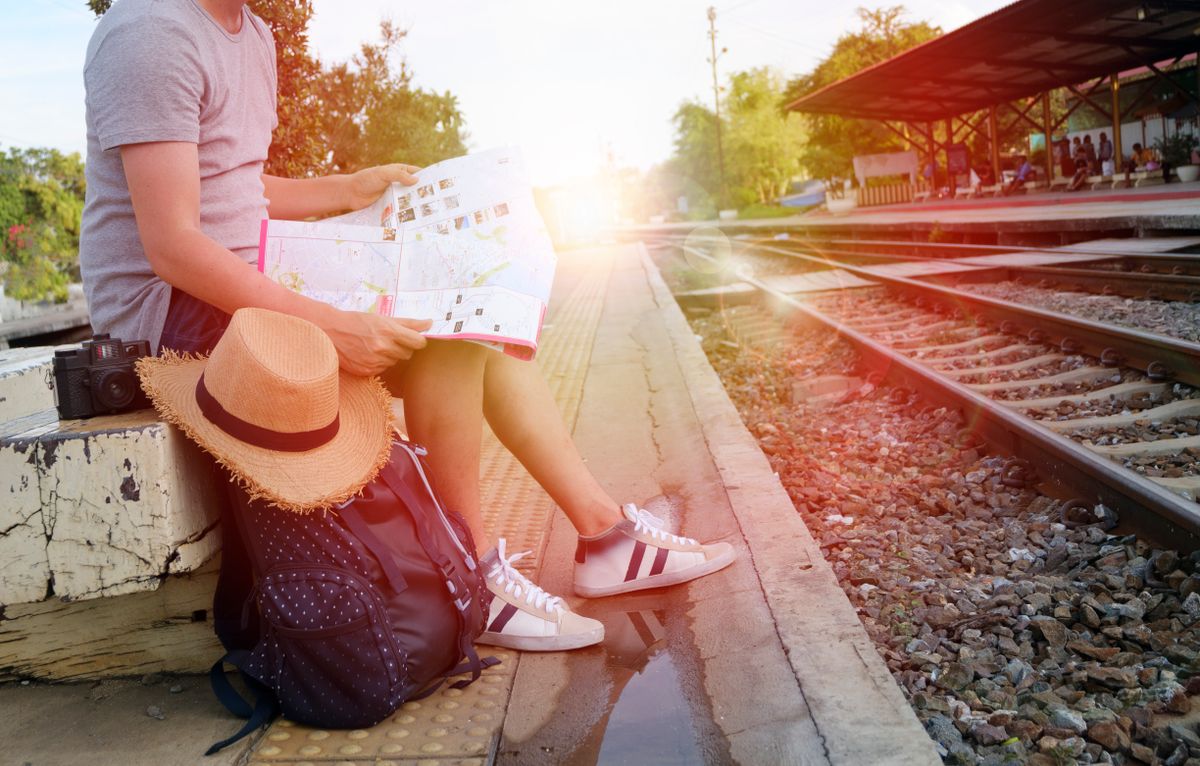
- Avoid obvious tourist markers (maps, expensive cameras, fanny packs)
- Learn basic phrases in the local language
Stay Alert:
- Limit alcohol consumption in unfamiliar environments
- Keep one earbud out when walking
- Avoid walking while engrossed in your phone
- Regularly scan your surroundings
Trust Patterns, Not Exceptions:
- Be wary of unusually friendly strangers
- Decline unsolicited help with bags or directions
- Question "too good to be true" offers
- Verify information independently
Daily Safety Protocols
Morning Routine:
- Share daily itinerary with someone at home
- Check in via text or app
- Charge all devices
- Carry portable charger
Throughout the Day:
- Vary your routes and routines
- Keep valuables distributed (not all in one bag)
- Maintain regular check-ins
- Note safe spaces (hotels, police stations, busy cafes)
Evening Protocols:
- Return to accommodation before dark in unfamiliar areas
- Use official transportation (avoid unmarked taxis)
- Let someone know when you've returned safely
- Trust your instincts about going out at night
Physical Safety Measures
Personal Safety Devices:
- Door stop alarm – Hotel room security (affiliate link)
- Personal alarm – Loud deterrent device (affiliate link)
- Portable door lock – Additional room security (affiliate link)
- RFID-blocking wallet – Identity protection (affiliate link)
Self-Defense Considerations:
- Consider basic self-defense classes before travel
- Understand local laws regarding self-defense items
- Pepper spray may be illegal or restricted in some countries
- Your voice can be a powerful deterrent—don't hesitate to shout
Best Destinations for Solo Female Travelers
Top Tier: Exceptionally Solo-Female-Friendly
Japan
- Ultra-low crime rates
- Excellent public transportation
- Respectful culture toward women
- Language barrier manageable in cities
- Solo dining widely accepted
💰 Book: Japan Rail Pass – Essential for travel (affiliate link)
New Zealand
- Adventure tourism infrastructure
- English-speaking
- Solo traveler culture
- Stunning natural beauty
- Active hostel scene
💰 Book: InterCity Bus Pass – Affordable transport (affiliate link)
Portugal
- Affordable Western Europe option
- Warm, welcoming locals
- Excellent for solo dining
- Beautiful cities and coastlines
- Growing digital nomad community
Taiwan
- Extremely safe
- Amazing food culture
- Excellent public transit
- Friendly locals
- Affordable accommodations
Second Tier: Great with Precautions
Thailand
- Established backpacker trail
- Affordable and beautiful
- Be cautious of scams
- Avoid isolated areas at night
- Stick to well-traveled routes
💰 Book: 12Go Asia – Transportation booking (affiliate link)
Costa Rica
- Eco-tourism paradise
- Established tourist infrastructure
- Use official tour operators
- Stay in recommended areas
- Excellent for nature lovers
Iceland
- World's safest country
- Expensive but worth it
- Perfect for road trips
- Northern Lights opportunities
- Stunning landscapes
💰 Book: Blue Lagoon – Must-visit experience (affiliate link)
Challenging but Rewarding
India
- Intense cultural experience
- Significant safety considerations
- Join women-only tours
- Dress conservatively
- Research extensively before visiting
Morocco
- Beautiful but requires adaptation
- Consider hiring female guides
- Stay in riads with good reviews
- Dress modestly
- Be prepared for attention
Turkey
- Mix of European and Middle Eastern
- Generally safe for women
- Some harassment in tourist areas
- Istanbul is very cosmopolitan
- Interior regions more conservative
Accommodation Strategies
Best Options for Solo Female Travelers
Boutique Hostels
- Female-only dorms available
- Social atmosphere for meeting people
- Kitchen facilities save money
- Staff can provide local advice
- Security often better than budget hotels
Recommended Booking Sites:
- Hostelworld – Hostel specialist (affiliate link)
- Booking.com – Filters for solo travelers (affiliate link)
- HostelsClub – Budget options (affiliate link)
Airbnb & Vacation Rentals
- Entire apartment = complete privacy
- Superhost status indicates reliability
- Read reviews mentioning solo female guests
- Message host before booking
- Choose central, well-reviewed locations
💰 Book: Airbnb – Vacation rentals (affiliate link)
Women-Only Accommodations
- Increasingly available worldwide
- Female-only floors in some hotels
- Women-only hostels
- Female-run guesthouses
- Built-in safety and community
Hotels
- Higher price but more services
- 24-hour front desk
- Room service options
- Safer in some destinations
- Loyalty programs for frequent travelers
Safety Checklist for Any Accommodation
Before Booking:
- Read recent reviews specifically from solo female travelers
- Check location on Google Maps (street view)
- Verify proximity to public transportation
- Research the neighborhood's safety
- Confirm 24-hour check-in if arriving late
Upon Arrival:
- Request room between 2nd-6th floors (escape options, harder to break in)
- Check that all locks work
- Verify peephole isn't obstructed
- Ensure windows lock securely
- Locate nearest emergency exits
During Stay:
- Use "Do Not Disturb" sign even when out
- Never open door without verifying identity
- Store valuables in safe or locked luggage
- Keep emergency numbers by phone
- Trust your instincts about staff or guests
Transportation Safety
Airport to Accommodation
Pre-Arranged Transfers:
- Safest option, especially for late arrivals
- Fixed price, no surprises
- Driver meets you with name sign
- Book through Viator (affiliate link) or GetTransfer (affiliate link)
Official Taxis:
- Use only official taxi stands
- Confirm meter use or agree on price
- Have destination written in local language
- Share ride details with someone
Rideshare Apps:
- Verify license plate and driver photo
- Share trip status with contacts
- Sit in back seat
- Keep phone charged for emergency
Popular International Rideshare Apps:
- Uber – 70+ countries (affiliate link)
- Grab – Southeast Asia (affiliate link)
- Bolt – Europe and Africa (affiliate link)
- Cabify – Latin America (affiliate link)
Public Transportation
General Safety:
- Avoid empty train cars
- Sit near driver/conductor when possible
- Keep bags in front, not behind
- Be extra cautious during rush hour (crowds = opportunity)
- Know your stop before boarding
Night Transportation:
- Use official night buses when available
- Consider paying more for taxis after dark
- Wait in well-lit, populated areas
- Let someone know your ETA
Women-Only Options:
Many countries offer women-only transportation:
- Women-only train cars (Japan, India, Egypt)
- Pink taxis (Dubai, Mexico City)
- Women-only buses (various countries)
Long-Distance Travel
Buses:
- Choose reputable companies
- Day travel preferred over overnight
- Keep valuables with you, not in luggage hold
- Sit near front if possible
Trains:
- Sleeper trains: book women-only compartments when available
- Keep luggage locked and within sight
- Be cautious about food/drink from strangers
Domestic Flights:
- Book directly with airlines when possible
- Arrive early to avoid rushing
- Keep essential items in carry-on
Cultural Sensitivity & Dress Codes
Research Before You Go
Understanding local customs shows respect and enhances safety. Research:
- Appropriate dress for women
- Gender interaction norms
- Religious customs and restrictions
- Photography etiquette
- Tipping expectations
- Greeting customs
Dress Code Guidelines by Region
Conservative/Muslim Countries:
- Shoulders and knees covered minimum
- Loose-fitting clothing preferred
- Headscarf required at religious sites
- Abaya or long dress recommended in Saudi Arabia
- Swimwear only at private beaches/pools
Parts of Asia:
- Modest dress appreciated
- Remove shoes when entering homes/temples
- Cover up at religious sites
- Beachwear acceptable at beaches only
Europe:
- Generally liberal dress codes
- Cover shoulders/knees at churches
- Avoid beachwear in cities
- Smart casual for nice restaurants
Latin America:
- Generally relaxed dress codes
- Conservative dress in rural areas
- Flashy jewelry may attract attention
Handling Unwanted Attention
Prevention:
- Wear wedding ring (real or fake)
- Sunglasses can deflect eye contact
- Confident body language
- Walk with purpose
Response Strategies:
- Ignore and keep walking
- Firm "No" or "Go away" in local language
- Enter a shop or business if followed
- Don't feel obligated to be polite
- Report harassment to authorities if severe
Socializing & Making Connections
Meeting Other Travelers
Hostels:
- Common areas facilitate natural connections
- Join hostel-organized activities
- Group tours organized by hostels
- Kitchen conversations over cooking
Group Tours & Activities:
- Day tours from hostels/hotels
- Cooking classes
- Walking tours
- Adventure activities
- Wine tastings
Coworking Spaces:
- Digital nomad communities
- Day passes available
- Networking opportunities
- Safe, professional environments
Travel Apps:
- Meetup – Local events and groups (affiliate link)
- Couchsurfing Hangouts – Meet travelers (affiliate link)
- Bumble BFF – Platonic friend connections (affiliate link)
- Tourlina – Female-only travel buddy matching (affiliate link)
Connecting with Locals
Safe Ways to Meet Locals:
- Language exchange meetups
- Volunteering opportunities
- Cooking classes
- Art workshops
- Sports activities
Red Flags to Avoid:
- Overly persistent invitations
- Requests to meet in isolated locations
- Pressure to drink alcohol
- Reluctance to meet in public
- Requests for money or help
Dining Alone with Confidence
Restaurant Strategies:
- Bring a book or journal
- Sit at the bar (more social)
- Choose restaurants with communal tables
- Opt for lunch over dinner (less formal)
- Take your time—enjoy the experience
Best Solo Dining Destinations:
- Japan (solo dining is normal)
- Spain (tapas culture)
- Italy (counter service)
- Vietnam (street food)
- Thailand (food courts)
Technology & Apps for Safety
Essential Safety Apps
Communication:
- WhatsApp – Global messaging standard (affiliate link)
- Telegram – Secure messaging (affiliate link)
- Find My Friends – Location sharing (affiliate link)
- Google Translate – Offline translation (affiliate link)
Safety & Security:
- TripWhistle – Emergency numbers worldwide (affiliate link)
- bSafe – Personal safety app (affiliate link)
- Noonlight – Emergency response (affiliate link)
- Sitata – Real-time travel safety alerts (affiliate link)
Navigation:
- Maps.me – Offline maps (affiliate link)
- Citymapper – Urban transit (affiliate link)
- Rome2Rio – Transportation planning (affiliate link)
- Google Maps – Download offline areas (affiliate link)
Accommodation & Transport:
- Hostelworld – Hostels (affiliate link)
- Booking.com – Hotels (affiliate link)
- Airbnb – Rentals (affiliate link)
- Rome2Rio – Transport (affiliate link)
Tech Safety Tips
Before You Go:
- Enable "Find My Phone" features
- Set up cloud backups
- Download offline maps
- Save emergency numbers
- Share passwords with trusted contact
During Travel:
- Use VPN on public Wi-Fi (NordVPN – affiliate link)
- Keep devices password-protected
- Don't access sensitive accounts on public computers
- Turn off Bluetooth when not in use
- Be cautious of charging stations (juice jacking)
Digital Security:
- Use two-factor authentication
- Don't post real-time location updates
- Wait to post until you've left locations
- Be vague about accommodation details
- Review privacy settings on social media
Emergency Preparedness
Emergency Contact Plan
Before Departure:
- Share detailed itinerary with trusted contacts
- Provide copies of important documents
- Establish check-in schedule
- Share travel insurance details
- Give accommodation contact information
Emergency Contacts to Program:
- Local emergency number (varies by country)
- Nearest embassy/consulate
- Travel insurance 24/7 line
- Accommodation emergency contact
- Trusted contacts at home
Handling Common Emergencies
Lost or Stolen Passport:
- File police report
- Contact nearest embassy/consulate
- Apply for emergency travel document
- Contact travel insurance
- Alert accommodation
Medical Emergency:
- Call local emergency number
- Contact travel insurance immediately
- Go to nearest hospital
- Alert embassy if serious
- Keep all receipts for claims
Harassment or Assault:
- Get to safe location immediately
- Contact local police
- Seek medical attention if needed
- Contact embassy
- Document everything
- Reach out to support services
Natural Disasters:
- Follow local authority instructions
- Contact embassy
- Check in with family
- Monitor local news
- Have go-bag prepared
Support Resources for Women
Organizations:
- JourneyWoman – Women's travel community (affiliate link)
- Pink Pangea – Women's travel network (affiliate link)
- Solo Female Travelers – Community and resources (affiliate link)
- Women on the Road – Solo travel advice (affiliate link)
Hotlines:
- Research local women's hotlines before travel
- Save numbers in phone
- Know location of women's shelters
Frequently Asked Questions
1. Is solo female travel really safe?
Solo female travel is generally safe with proper preparation and awareness. Millions of women travel solo annually without incident. The key is choosing appropriate destinations, staying aware of surroundings, trusting your instincts, and taking sensible precautions. Risk exists everywhere—including at home—but informed travelers can minimize dangers significantly.
2. What are the safest countries for solo female travelers?
Based on safety rankings, crime statistics, and female traveler reports, the safest countries include Japan, New Zealand, Iceland, Singapore, Taiwan, Portugal, and Slovenia. However, safety varies by city and neighborhood within countries, so always research your specific destinations.
3. How do I deal with loneliness while traveling solo?
Combat loneliness by staying at social hostels, joining group activities, using travel apps to meet others, taking classes (cooking, language, art), and establishing routines like morning coffee at the same café. Remember that solitude and loneliness are different—embrace the former while actively addressing the latter when desired.
4. What should I do if I'm being followed?
If you suspect you're being followed: enter a busy shop, restaurant, or hotel; alert staff or security; call local emergency numbers if you feel threatened; vary your route; and never lead someone to your accommodation. Trust your instincts—it's better to seem paranoid than become a victim.
5. How do I handle unwanted male attention?
Ignore catcalls and keep walking. For persistent attention, a firm "no" or "go away" in the local language often works. Don't worry about being rude—your safety matters more than politeness. Enter businesses if needed, and report serious harassment to authorities or your accommodation.
6. Should I tell people I'm traveling alone?
Generally, no. When asked, mention you're meeting friends, your partner is joining later, or you're meeting a tour group. Only share solo status with trusted individuals you meet. However, do inform accommodation staff that you're traveling alone so they can check on you if needed.
7. What are red flags for unsafe accommodation?
Red flags include: poor online reviews mentioning safety concerns; refusal to show room before booking; location in isolated or poorly lit areas; lack of secure locks; windows that don't lock; staff who seem overly interested in your plans; and requests for passport "safekeeping" (they should only photocopy it).
8. How much should I budget for solo female travel?
Budgets vary dramatically by destination and travel style. Budget backpackers might spend $40-80/day in Southeast Asia or $100-150/day in Europe. Mid-range travelers typically budget $100-200/day in most destinations. Luxury solo travel can cost $300+/day anywhere. Solo travelers often pay single supplements on tours and cruises.
9. What should I pack for safety as a solo female traveler?
Essential safety items include: door stop alarm; portable door lock; personal alarm; whistle; money belt or hidden pocket; RFID-blocking wallet; copies of important documents; emergency cash in multiple locations; and appropriate clothing for cultural norms. A basic first-aid kit and any prescription medications are essential.
10. How do I make friends while traveling solo?
Stay at social hostels, join group tours, take classes, use meetup apps, hang out in common areas, join free walking tours, participate in hostel activities, use Couchsurfing hangouts, attend local events, and simply start conversations. Being solo actually makes you more approachable than couples or groups.
11. What's the best age for solo female travel?
Any age! Women in their 20s often prioritize adventure and nightlife; 30s and 40s often blend work and travel; 50+ is the fastest-growing demographic with more resources and time. Each age offers unique advantages. Never let age deter you from solo exploration.
12. How do I handle my period while traveling solo?
Pack sufficient supplies as products vary by country. Menstrual cups are ideal for travel (reusable, compact). Period underwear works well for backup. Research local availability of products at your destination. Carry pain medication and plan around your cycle when possible (avoid strenuous treks during heavy days).
13. What photography tips work for solo travelers?
Use a tripod with remote or timer; ask fellow travelers or locals (choose carefully); book photography tours; use selfie sticks sparingly; consider a lightweight travel tripod; and embrace the occasional selfie—memories matter more than perfect shots.
14. How do I stay healthy while traveling solo?
Drink bottled or purified water; eat at busy restaurants with high turnover; wash hands frequently; carry hand sanitizer; get travel vaccinations; pack a comprehensive first-aid kit; know local emergency numbers; and purchase travel insurance that covers medical evacuation.
15. What should I do if I get sick alone?
Contact your accommodation for help finding medical care; use travel insurance hotline for guidance; go to international clinics if language is a barrier; inform someone at home; keep all receipts for insurance claims; and rest rather than pushing through illness alone.
16. Are there women-only travel companies?
Yes! Companies like Intrepid Women's Expeditions, Adventurous Women, and Wild Women Expeditions specialize in women-only trips. These provide built-in community and female-focused experiences. (affiliate links)
17. How do I handle food safety as a solo diner?
Choose busy restaurants with high turnover; avoid raw foods in questionable establishments; drink bottled water; watch your drink being prepared; don't leave drinks unattended; trust your instincts about cleanliness; and carry anti-diarrheal medication just in case.
18. What cultural mistakes should I avoid?
Research dress codes and dress appropriately; learn basic greetings; understand religious customs; don't assume English is spoken; respect photography restrictions; remove shoes when required; understand tipping customs; and observe how local women behave in public spaces.
19. How do I handle money safely while alone?
Distribute cash and cards in multiple locations; use money belts or hidden pockets; don't display large amounts of cash; use ATMs during daylight in secure locations; check for skimming devices; notify banks of travel dates; and have backup payment methods.
20. What should I do if I feel unsafe in my accommodation?
Request a room change immediately; use door stop alarms and portable locks; contact booking platform to report concerns; consider moving to different accommodation if seriously concerned; alert friends/family of location; and trust your instincts—it's okay to prioritize safety over money.
21. How do I handle language barriers alone?
Download offline translation apps; learn key phrases (hello, thank you, help, bathroom); carry a phrasebook; use picture menus; point to items; speak slowly and simply; use translation cards for dietary restrictions; and remember that kindness transcends language.
22. What should I do if I miss my flight/connection?
Don't panic; contact airline immediately; know your rights regarding compensation; have travel insurance details ready; consider nearby accommodation if overnight; use airline apps for rebooking; and keep all receipts for insurance claims.
23. How do I maintain relationships while traveling solo long-term?
Schedule regular video calls; share photos and updates; send postcards; be present during conversations (not multitasking); plan visits when possible; include partners/friends in planning; and remember that absence can strengthen relationships when managed well.
24. What insurance do I need for solo travel?
Essential coverage includes: medical emergencies ($100,000+); medical evacuation ($500,000+); trip cancellation/interruption; baggage protection; and 24/7 assistance hotline. Adventure travelers need activity-specific coverage. Read policies carefully for exclusions.
25. How do I transition back home after solo travel?
Expect reverse culture shock; give yourself time to readjust; maintain travel habits that served you well; stay connected with friends made abroad; start planning next trip; share your experiences; and integrate lessons learned into daily life. Solo travel changes you—honor that growth.
Conclusion: Your Journey Awaits
Solo female travel is more than a trend—it's a transformative practice that builds confidence, expands worldviews, and creates memories that last a lifetime. The women who came before us fought for the freedom to explore independently, and today we stand on their shoulders, equipped with more resources, information, and community support than ever before.
The concerns and challenges are real, but they don't have to be prohibitive. With proper preparation, situational awareness, and the strategies outlined in this guide, you can navigate the world safely and confidently. Every solo journey begins with a single step—booking that ticket, packing that bag, walking through that departure gate.
Remember that perfection isn't the goal. Some days will be challenging; some plans will go awry; some moments will test your resolve. These are the moments that build resilience and create the stories you'll tell for years to come. The solo female traveler who returns home is never the same person who left—she's stronger, wiser, and more connected to the world and herself.
The world is vast, beautiful, and waiting for you. Don't let fear keep you from experiencing it. Prepare thoroughly, trust your instincts, and step boldly into your next adventure. The journey of a thousand miles begins with a single step—and you're more ready than you know.
Safe travels, fellow wanderer. May your path be filled with wonder, connection, and the profound joy of discovering not just new places, but new dimensions of yourself.
Last Updated: March 2026
Disclaimer: This article contains affiliate links. If you purchase through these links, we may earn a commission at no additional cost to you. Travel safety conditions change; always research current situations before departure. This guide provides general advice but cannot guarantee safety. Trust your judgment above all else.
Exit-Intent Popup Configuration
Type: Lead Magnet + Category Redirect
Offer: "Download Our FREE Solo Female Travel Safety Checklist + Emergency Contact Template"
Lead Magnet: Printable PDF with comprehensive safety checklist, packing list, emergency contacts template, and destination safety ratings
Affiliate Links:
- Best travel insurance for solo female travelers
- Recommended safety devices and apps
- Top-rated solo female travel gear
- Must-have travel accessories
Category Redirect: /category/travel
Mobile Trigger: 75% scroll
Desktop Trigger: Exit intent
Email Capture: Yes (newsletter with solo travel tips and destination guides)
Ready to explore? 🌍 Follow us on Pinterest for more solo travel inspiration, destination guides, and safety tips! Follow @LifestyleSprout on Pinterest