How to Arrange Furniture in Small Spaces: 27 Designer Tips That Transform Tiny Rooms
Meta Description: Learn how to arrange furniture in small spaces with expert designer tips. Discover 12+ room layouts, traffic flow principles, and space-saving furniture recommendations.
Living in a compact home doesn't mean sacrificing style or comfort. The key to making small spaces work lies in understanding how to arrange furniture strategically. Whether you're furnishing a studio apartment, a cozy cottage, or simply dealing with a challenging room layout, the right furniture placement can transform cramped quarters into functional, beautiful living spaces.
According to the National Association of Home Builders, the average size of new homes has decreased by 10% over the past decade, making space-efficient furniture arrangement more relevant than ever. Yet many homeowners struggle with the same question: "How do I fit everything I need without the room feeling cluttered?"
This comprehensive guide will walk you through proven designer strategies for arranging furniture in small spaces. From understanding scale and proportion to mastering traffic flow, you'll learn practical techniques that interior designers use to maximize every square foot. We'll explore specific layouts for living rooms, bedrooms, and dining areas, complete with detailed descriptions of how each arrangement works.
By the end of this guide, you'll have the knowledge to create a home that feels spacious, functional, and distinctly yours—regardless of square footage.
Key Principles for Arranging Furniture in Small Spaces
Before diving into specific room layouts, let's establish the foundational principles that guide all successful small-space furniture arrangements. These concepts form the backbone of smart design decisions.
Scale and Proportion: The Golden Rule
Scale refers to how furniture size relates to the room, while proportion concerns how pieces relate to each other. In small spaces, these principles become critical:
Choose appropriately sized furniture. A massive sectional in a 10×10 living room creates visual chaos and physical obstruction. Instead, opt for pieces that leave at least 18 inches of walking space around major items. Look for apartment-sized sofas (typically 72-78 inches wide instead of the standard 84+ inches), slender armchairs, and compact dining tables.
Maintain visual balance. Pair a substantial piece with lighter counterparts. If you have a heavier sofa, choose delicate side tables or a glass coffee table to prevent the space from feeling weighed down. The goal is creating harmony where no single piece dominates.
Consider leg visibility. Furniture with exposed legs creates the illusion of more floor space. A sofa raised on tapered legs allows light to pass underneath, making the room feel airier than a skirted piece sitting directly on the floor.
Traffic Flow: Creating Clear Pathways
Traffic flow refers to how people move through a space. Poor flow makes rooms feel smaller and creates daily frustration.
Maintain 36-inch pathways. Main thoroughfares through rooms should be at least 36 inches wide—enough for two people to pass comfortably. Secondary paths can be 24-30 inches. Measure these before placing furniture and mark them with painter's tape to visualize flow.
Avoid blocking entry points. Never place furniture directly in front of doorways. Allow at least 24 inches of clearance for door swing and entry. This applies to interior doors, exterior doors, and transitions between rooms.
Create circular flow when possible. The most functional arrangements allow movement in multiple directions. Avoid layouts that force people to backtrack or navigate around obstacles. Think of traffic patterns as water flowing through your space—they should move smoothly without damming up.
Focal Points: Anchoring Your Layout
Every room needs a focal point—a visual anchor that gives the eye somewhere to rest and organizes the furniture arrangement.
Identify natural focal points. These might include fireplaces, large windows with views, built-in shelving, or architectural features. Arrange seating to face or acknowledge these elements. In rooms without obvious focal points, create one using artwork, a media console, or a statement piece of furniture.
Avoid competing centers. Small spaces can't handle multiple competing focal points. Choose one primary anchor and ensure other elements support rather than distract from it. If you have both a fireplace and a television, consider mounting the TV above the fireplace or placing them on adjacent walls with seating angled to accommodate both.
Vertical Space: Thinking Upward
When floor space is limited, look up. Vertical thinking dramatically expands your design possibilities.
Utilize wall height. Tall bookcases, floating shelves, and wall-mounted storage draw the eye upward and provide storage without consuming valuable floor real estate. In rooms with 8-foot ceilings or higher, you have significant untapped potential.
Hang curtains strategically. Mount curtain rods 4-6 inches above the window frame and extend them 3-6 inches beyond the sides. This creates the illusion of larger windows and higher ceilings. Choose floor-length panels that barely touch the floor for maximum height effect.
Choose vertical furniture. Armoires, étagères, and ladder-style shelving maximize storage while occupying minimal floor space. A tall, narrow dresser often provides more storage than a wide, low one while taking up less wall length.
Multi-Functional Pieces: Double Duty Design
The most valuable furniture in small spaces serves multiple purposes:
Convertible furniture. Sofa beds, ottoman storage cubes, and dining tables with leaf extensions adapt to changing needs. A desk that doubles as a dining table or a bench with hidden storage exemplifies smart multi-functionality.
Nesting and folding options. Tables and chairs that nest together or fold flat when not in use provide flexibility. Nesting tables offer surface area when needed and tuck away compactly. Folding chairs stored in a closet transform a home office into a dining space for guests.
Hidden storage solutions. Beds with drawers underneath, hollow ottomans, and coffee tables with lift-top storage keep essentials accessible but out of sight. This reduces visual clutter while maintaining functionality.
Measuring Your Space: The Foundation of Success
Before purchasing or arranging any furniture, accurate measurements are essential. Skip this step, and you'll likely face costly mistakes and returns.
Step-by-Step Measurement Process
Create a floor plan. Use graph paper where each square represents 6 inches, or employ digital tools like RoomScan, Magicplan, or even simple drawing apps. Include doors, windows, radiators, built-ins, electrical outlets, and any architectural features that affect placement.
Measure twice, buy once. Record the length and width of each wall, ceiling height, and the location of windows and doors including their trim. Note which way doors swing and how much clearance they need. Don't forget to measure the path from your building entrance to the room—many beautiful pieces never make it past narrow staircases or tight hallway turns.
Mark fixed elements. Indicate immovable features like fireplaces, radiators, and built-in shelving. These become your non-negotiable constraints around which all other furniture must work.
Creating Zones in Open Spaces
Many small homes feature open floor plans where one room serves multiple functions. Defining zones helps these spaces feel organized rather than chaotic.
Use rugs to anchor areas. A properly sized rug defines seating areas, dining spaces, and sleeping zones without physical walls. In living areas, ensure all furniture front legs rest on the rug. In dining areas, the rug should extend 24 inches beyond the table edge so chairs remain on it when pulled out.
Employ furniture as dividers. A sofa placed perpendicular to the room's length can separate living and dining areas. Open shelving units provide division while maintaining sightlines and light flow. A console table behind a sofa creates a defined boundary with surface space for display.
Consider lighting zones. Separate overhead lighting, task lighting, and ambient lighting for different areas helps define spaces functionally. A pendant over a dining table distinguishes it from the adjacent living area with floor lamps.
Living Room Layouts: 5 Configurations That Work
The living room often presents the greatest furniture arrangement challenges in small homes. It must accommodate seating, entertainment, traffic flow, and sometimes dining or work functions. Here are five proven layouts for different small living room scenarios.
Layout 1: The Classic Wall-Hugger
Best for: Narrow rooms, studios needing clear central space, or rooms with multiple doorways.
The Arrangement: Place your sofa against the longest wall, ideally the one opposite the entry door. Add two armchairs perpendicular to the sofa, forming an L-shape. Position a rectangular coffee table 18 inches from the sofa—close enough for easy reach but leaving adequate walking space.
Why It Works: This arrangement maximizes open floor space in the center, creating the illusion of a larger room. It provides clear traffic paths along the room's perimeter and works well when you need the central area for other activities like yoga, children's play, or as a pathway to other rooms.
Designer Tip: If the sofa back faces the entry, add a narrow console table behind it with a lamp and decorative objects. This creates a more welcoming sightline when entering and provides a spot for keys and mail.
Layout 2: The Floating Conversation Area
Best for: Square rooms, open floor plans, or spaces where you want to define a seating area away from walls.
The Arrangement: Float your sofa in the room, leaving 30-36 inches of space behind it for traffic flow. Place two chairs facing the sofa, creating a U-shaped conversation area. Add a round or oval coffee table in the center—rounded shapes improve flow in tight spaces.
Why It Works: Floating furniture creates intimate conversation zones and can define spaces in open floor plans. The arrangement encourages interaction since everyone faces each other rather than a wall. It also allows for interesting lighting solutions like floor lamps behind the sofa.
Designer Tip: When floating furniture, ensure the sofa's back looks finished. Add a console or narrow table behind it with books, plants, or decorative objects. The space behind becomes an opportunity rather than a dead zone.
Layout 3: The Compact Sectional Solution
Best for: Family rooms, TV-focused spaces, or when you need maximum seating in minimal space.
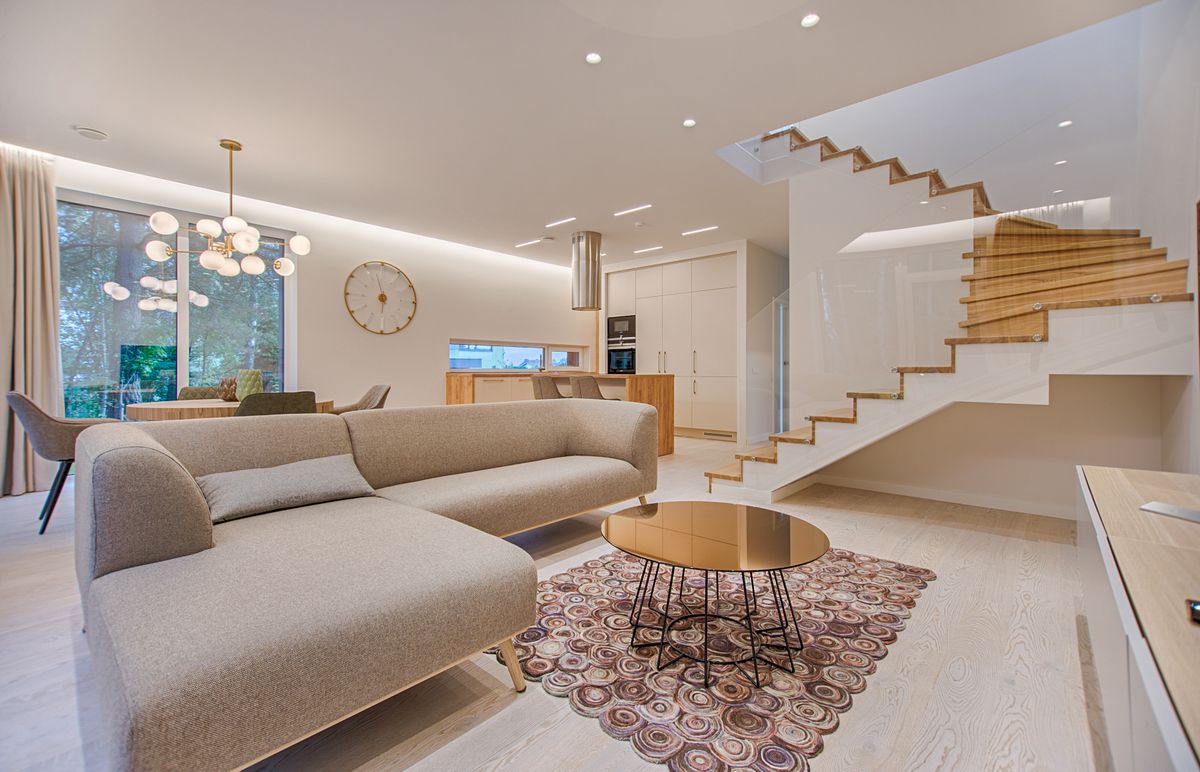
The Arrangement: Choose a small-scale sectional (look for apartment-sized options under 90 inches on each side). Place the longer section against a wall with the shorter side extending into the room. Add a compact side table or two, and consider a small ottoman that can double as coffee table and extra seating.
Why It Works: Sectionals maximize seating capacity while occupying a defined footprint. They eliminate the need for multiple pieces, reducing visual clutter. The L-shape naturally creates a cozy nook that feels intentional and designed.
Designer Tip: Choose a sectional with a reversible chaise so you can adapt to different room configurations. Look for styles with legs rather than skirted bases to maintain visual lightness.
Layout 4: The TV-Centric Setup
Best for: Media rooms, multipurpose spaces, or households where television viewing is primary.
The Arrangement: Position the sofa facing the television wall, approximately 1.5 times the diagonal screen measurement away (so for a 50-inch TV, sit about 75 inches away). Add one or two chairs angled toward both the TV and sofa for flexible viewing and conversation. Use a media console that provides storage without overwhelming the wall.
Why It Works: This layout prioritizes comfortable viewing angles while maintaining some conversation capability. It's practical for everyday living and works well in rectangular rooms where one long wall naturally suits media placement.
Designer Tip: Mount the TV on the wall rather than using a stand to reclaim floor space. If wall-mounting isn't possible, choose a console no deeper than 20 inches. Consider a mount that extends and swivels for flexible viewing angles from different seats.
Layout 5: The Four-Person Conversation Pit
Best for: Entertaining-focused spaces, square rooms, or when conversation trumps TV viewing.
The Arrangement: Place two small-scale sofas facing each other, approximately 6-7 feet apart. Add two armchairs on the ends, creating a rectangular conversation area. Center a rectangular or square coffee table between the sofas, leaving 14-18 inches between table and seating.
Why It Works: This symmetrical arrangement creates an intimate setting where everyone can see and hear each other easily. It's ideal for cocktail parties, game nights, or meaningful conversations. The balanced layout feels formal yet welcoming.
Designer Tip: Choose sofas with low backs to maintain sightlines across the room. If the arrangement feels too heavy, replace one sofa with a settee or bench for visual variety while maintaining seating capacity.
Bedroom Layouts: 4 Configurations for Restful Sleep
Bedrooms must balance the need for a peaceful sleeping environment with practical storage and dressing requirements. These layouts address different small bedroom challenges.
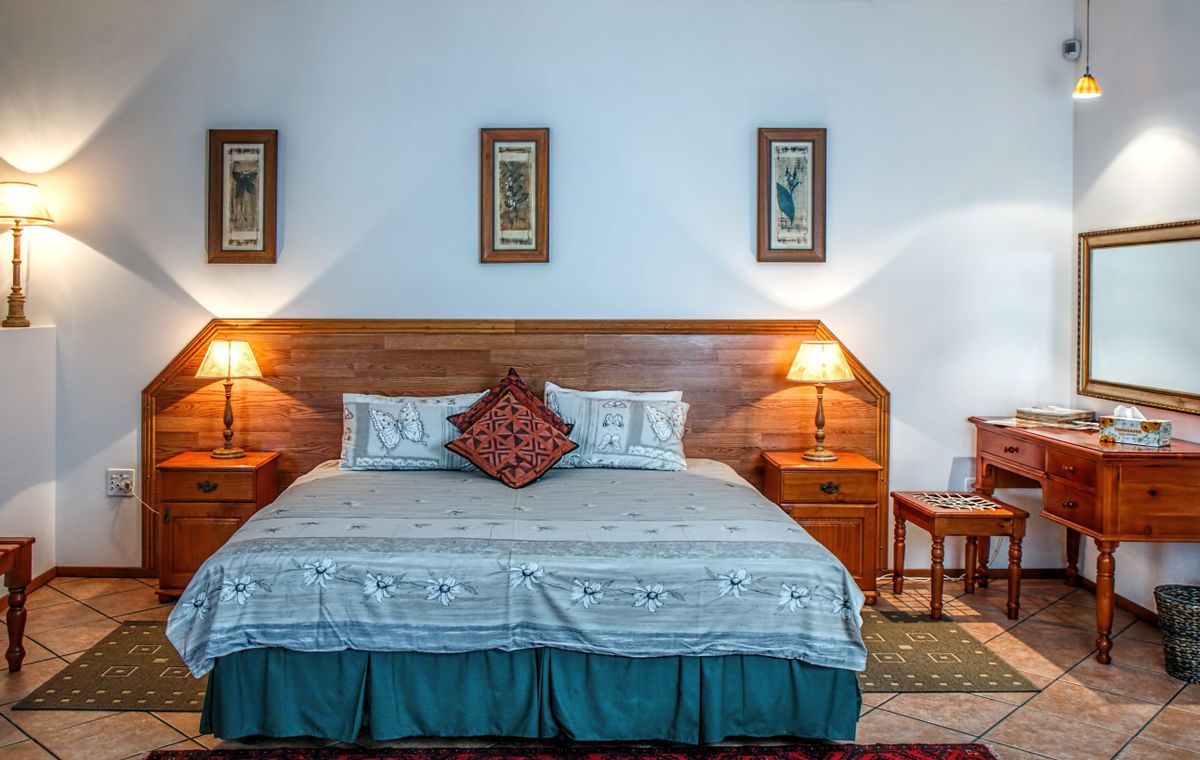
Layout 1: The Centered Sanctuary
Best for: Square bedrooms, rooms with windows on multiple walls, or when you want a balanced, hotel-like feel.
The Arrangement: Center the bed on the main wall, leaving equal space on both sides if possible. Place matching nightstands on each side, ensuring at least 24 inches of walking space between them and any walls or dressers. Position a dresser on the wall opposite the bed or on an adjacent wall, maintaining clear pathways.
Why It Works: Centering the bed creates visual balance and symmetry that promotes relaxation. This arrangement works particularly well when the bed wall has a window or architectural feature to frame. Equal access from both sides is practical for couples.
Designer Tip: If space doesn't allow nightstands on both sides, use a wall-mounted shelf or narrow ledge on the smaller side. This maintains visual balance while accommodating spatial constraints.
Layout 2: The Corner Cozy
Best for: Tiny bedrooms, rooms with one dominant window, or when floor space is at a premium.
The Arrangement: Place the bed in a corner, with the headboard against one wall and one side against the adjacent wall. Use the accessible side for a nightstand. Position a dresser or wardrobe on the wall opposite the foot of the bed. If space allows, add a small bench or chair in the remaining corner.
Why It Works: Corner placement maximizes open floor space and can accommodate larger beds in smaller rooms. It's practical for single sleepers and creates a cozy, nest-like feeling. The remaining floor space can accommodate dressing or morning routines.
Designer Tip: When placing a bed in a corner, invest in bedding that looks good from all angles since the sides will be visible. Consider a headboard that wraps slightly around the corner side for a finished look.
Layout 3: The Storage Maximizer
Best for: Bedrooms with minimal closet space, studio apartments, or anyone needing extensive clothing storage.
The Arrangement: Choose a bed with built-in storage—either drawers underneath or a lift-up mattress platform. Place the bed against the wall to maximize remaining floor space. Install a wall-mounted desk or floating shelves instead of nightstands. Use a tall, narrow wardrobe or armoire rather than a wide dresser.
Why It Works: This layout prioritizes storage efficiency without sacrificing sleep quality. The storage bed eliminates the need for under-bed bins that collect dust and look cluttered. Vertical storage takes advantage of height rather than consuming valuable floor area.
Designer Tip: If choosing a storage bed, look for hydraulic lift mechanisms that make accessing under-bed storage effortless. For drawer-style storage beds, ensure there's enough clearance to open drawers fully—measure carefully before purchasing.
Layout 4: The Multipurpose Retreat
Best for: Guest rooms, home offices that double as bedrooms, or studio apartments.
The Arrangement: Use a daybed or sofa bed against one wall, freeing floor space during daytime hours. Add a compact desk perpendicular to the bed wall, creating a work zone. Use a fold-down or wall-mounted desk if space is extremely limited. Include a small dresser or wardrobe for guest storage.
Why It Works: This flexible arrangement serves multiple functions without requiring dedicated space for each. The daybed provides seating during the day and sleeping at night. The desk setup allows productive work without dedicating an entire room to an office.
Designer Tip: Choose a daybed with a trundle for guest situations requiring two beds. Add a bolster pillow in each corner to create a sofa-like appearance during the day, then remove for sleeping.
Dining Area Layouts: 3 Solutions for Small Spaces
Dining areas in compact homes require creative solutions. These three layouts address different constraints and usage patterns.
Layout 1: The Classic Nook
Best for: Kitchen-adjacent spaces, bay windows, or rooms with one obvious dining wall.
The Arrangement: Place a rectangular or round table against a wall, leaving the other three sides accessible. Use one bench against the wall (allowing it to tuck under the table when not in use) and chairs on the open sides. Add a pendant light or chandelier centered over the table.
Why It Works: This arrangement maximizes seating while minimizing the dining footprint. The bench saves space compared to chairs on all sides and accommodates more people when needed. Against-the-wall placement leaves the room's center open for traffic flow.
Designer Tip: Choose a table with a leaf extension for occasions requiring more seating. Wall-mounted tables that fold down when not in use take this concept to its space-saving extreme.
Layout 2: The Round Table Solution
Best for: Square dining areas, tight corners, or when flexible seating is needed.
The Arrangement: Center a round table in the dining area, leaving 36-48 inches of clearance on all sides for chair pull-out and passage. Use armless chairs that can be pulled closer to the table when not in use. Add a statement light fixture above to define the zone.
Why It Works: Round tables eliminate sharp corners that obstruct flow in tight spaces. They seat more people per square foot than rectangular tables and facilitate conversation since everyone faces the center. The lack of corners makes them easier to navigate around.
Designer Tip: Choose a pedestal base rather than four legs for maximum legroom and seating flexibility. A 42-48 inch round table seats four comfortably and can squeeze in six for special occasions.
Layout 3: The Bar-Style Banquette
Best for: Studio apartments, kitchen islands, or spaces too small for traditional dining.
The Arrangement: Install a narrow counter-height table or extend an existing kitchen island with an overhang. Use backless stools that tuck completely underneath when not in use. Add pendant lighting above the eating area to define it as a distinct zone.
Why It Works: Bar-height dining takes up minimal floor space while providing a casual eating spot. The stools' ability to tuck away completely maintains clear pathways. This setup works equally well for quick meals, laptop work, or socializing while cooking.
Designer Tip: Ensure 12-15 inches of overhang for comfortable knee space. Choose stools with footrests for extended sitting comfort. If space allows, add a narrow shelf below the counter for placemat or cookbook storage.
Multi-Functional Room Ideas: When One Room Must Do Everything
Studio apartments and open-concept homes require rooms to serve multiple purposes. Here's how to create functional zones without building walls.
The Living/Bedroom Hybrid
Define sleeping zones. Use a room divider screen, tall bookshelf, or curtain to separate sleeping and living areas. Place the bed in the least trafficked corner, ideally away from the entry door. Position the sofa to face away from the bed, creating psychological separation.
Create a bedtime routine. Even without a door, establish rituals that signal the transition to sleep mode. This might include dimming lights, closing a curtain divider, or putting away work materials. These cues help your brain shift gears despite the lack of physical separation.
Consider a Murphy bed. Wall beds that fold up completely transform a bedroom into usable living space during the day. Modern Murphy beds include sofas, desks, or shelving that remain in place when the bed is raised, maximizing functionality.
The Living/Dining Combination
Use area rugs to define zones. A rug under the dining table and another under the living seating area create distinct territories without physical barriers. Ensure rugs are appropriately sized for each function—dining rugs should accommodate chairs pulled out, while living rugs should anchor the seating arrangement.
Employ lighting for separation. A pendant or chandelier over the dining table distinguishes it from the living area with floor and table lamps. Different lighting types create distinct atmospheres appropriate to each function.
Choose complementary furniture. Select pieces that work together visually while serving different functions. A dining chair that could double as a desk chair, or a console table that serves both entry and dining storage, creates cohesion while adding flexibility.
The Home Office/Guest Room
Invest in a wall bed. A Murphy bed or cabinet bed transforms an office into a guest room instantly. Choose models with integrated desks that remain usable when the bed is down, or select sofa beds for a more casual multi-purpose approach.
Create hidden storage. File cabinets that look like dressers, storage ottomans, and closet organizing systems keep office supplies accessible but invisible to guests. A room that looks like a bedroom but functions as an office satisfies both needs without compromise.
Plan for dual-purpose lighting. Task lighting for work should convert to ambient lighting for guests. Dimmable fixtures, multiple switch locations, and versatile lamps accommodate both functions.
Furniture Buying Guide for Small Spaces
Selecting the right furniture is half the battle in small-space design. Here's what to prioritize when shopping.
Scale Guidelines by Room
Living Room:
- Sofas: 72-84 inches wide (apartment-sized)
- Coffee tables: 36-48 inches long, leaving 18 inches clearance on all sides
- Side tables: 18-24 inches in any direction
- TV stands: Under 20 inches deep
Bedroom:
- Beds: Choose the smallest size that meets your needs
- Nightstands: 16-22 inches wide
- Dressers: Under 50 inches wide or go vertical with tall, narrow options
- Desks: 40-48 inches wide maximum
Dining:
- Tables: 36-48 inches in diameter (round) or 48-60 inches long (rectangular)
- Chairs: Armless styles save 4-6 inches per chair
- Clearance: 36 inches on all sides minimum
Material and Color Considerations
Choose light colors. Light upholstery, wood tones, and painted finishes reflect light and make spaces feel larger. This doesn't mean avoiding color—just balance darker pieces with lighter surroundings.
Incorporate transparent materials. Acrylic, glass, and mesh create visual lightness. A glass coffee table takes up physical space without visual weight. Acrylic chairs provide seating without blocking sightlines.
Select low-profile pieces. Furniture with lower backs and arms maintains open sightlines across rooms. A low-slung sofa preserves views to windows and makes ceilings feel higher.
Quality Indicators for Small-Space Furniture
Look for solid construction. Small-space furniture often gets moved more frequently—modular pieces rearranged, folding items opened and closed, convertible pieces transformed. Quality hinges, solid wood frames, and durable upholstery withstand this extra wear.
Test convertible mechanisms. Open and close sofa beds, lift storage bed platforms, and extend tables in the showroom. Smooth operation indicates quality engineering that will last.
Check dimensions in person. Online photos can be misleading regarding scale. Sit on sofas, pull out drawers, and gauge actual size before purchasing. Bring your room measurements and tape measure to verify fit.
Common Layout Mistakes to Avoid
Even with good intentions, these frequent errors derail small-space furniture arrangements.
Mistake 1: Pushing Everything Against Walls
While the "wall-hugger" layout works for some situations, pushing all furniture to the perimeter creates a bowling alley effect that feels institutional. It also wastes valuable central space that could host a coffee table, ottoman, or conversation area.
The Fix: Float at least one major piece or create a furniture grouping in the room's center. Even 12 inches of space between sofa and wall creates depth and visual interest.
Mistake 2: Ignoring Traffic Patterns
Placing furniture without considering how people move through the space creates daily frustration. Tripping over chair legs, squeezing past coffee tables, or navigating maze-like arrangements wears on occupants.
The Fix: Mark traffic paths with painter's tape before placing furniture. Maintain 36-inch primary pathways and ensure furniture placement supports natural movement from entry points to destinations.
Mistake 3: Choosing Oversized Pieces
That comfortable oversized sectional might feel luxurious in the showroom but overwhelm your living room. Large pieces consume visual and physical space, making rooms feel cramped.
The Fix: Measure your space and mark furniture dimensions with painter's tape before purchasing. Remember that furniture often appears smaller in large showrooms than it will in your home.
Mistake 4: Blocking Natural Light
Placing tall furniture in front of windows cuts off natural light—your most powerful tool for making spaces feel larger. Heavy window treatments compound the problem.
The Fix: Keep furniture below window sills when possible. Choose sheer or light-filtering window treatments that provide privacy without blocking daylight. Position mirrors to reflect and amplify natural light.
Mistake 5: Neglecting Vertical Opportunities
Focusing only on floor space ignores half your available real estate. Short bookcases, low headboards, and minimal wall utilization waste valuable storage and display potential.
The Fix: Look up and identify opportunities for vertical storage, display, and visual interest. Tall pieces draw the eye upward and make ceilings feel higher.
Mistake 6: Too Many Small Pieces
While small spaces require appropriately scaled furniture, filling them with numerous tiny pieces creates visual clutter. Ten small items often feel more chaotic than five well-chosen larger ones.
The Fix: Edit ruthlessly. Choose fewer, better pieces that serve multiple functions. Leave breathing room between items—negative space is essential in small rooms.
Visual Tricks to Make Spaces Feel Bigger
Beyond furniture arrangement, these design techniques enhance the perception of space.
Mirror Magic
Strategic placement. Position mirrors opposite windows to reflect natural light and outdoor views, effectively doubling the visual space. A large mirror on a focal wall creates depth and dimension.
Sizing guidelines. Choose mirrors nearly as large as the furniture below them. A mirror above a sofa should be 2/3 to 3/4 the sofa's width. Floor-length mirrors leaned against walls add height and glamour.
Multiple mirrors. Grouping several smaller mirrors creates the same light-reflecting benefits while adding decorative interest. Arrange them gallery-style for an artistic statement.
Color Psychology
Monochromatic schemes. Using varying shades of one color creates visual cohesion that expands perceived space. Light colors reflect more light, but even deeper tones work when used consistently.
Paint techniques. Painting walls and trim the same color eliminates visual boundaries that chop up space. Using a slightly darker shade on the ceiling can make it appear to recede, creating height.
Accent strategies. Limit bold colors to small areas—throw pillows, artwork, or single accent pieces. Too many competing colors in a small space feel chaotic and cramped.
Lighting Layers
Multiple light sources. Relying solely on overhead lighting creates harsh shadows and flat appearance. Layer ambient, task, and accent lighting for depth and dimension.
Upward lighting. Floor lamps and wall sconces that direct light upward make ceilings feel higher. Uplighting behind furniture creates a floating effect that adds perceived space.
Dimmer switches. Adjustable lighting adapts to different activities and times of day. Bright light for tasks, dimmed light for ambiance—flexibility makes small spaces more livable.
Product Recommendations: Best Furniture for Small Spaces
Based on design principles and real-world testing, here are top recommendations in key categories.
Small-Scale Sofas
IKEA Kivik Loveseat – At 74 inches wide, this comfortable loveseat fits compact spaces while providing full-sized seating depth. The washable covers and modular options add practicality.
West Elm Harmony Sofa (76") – This apartment-sized version of their popular sofa maintains deep, comfortable seating in a smaller footprint. Choose performance fabrics for durability.
Article Sven Loveseat – Mid-century styling with a compact 72-inch width. The tufted leather or fabric options provide sophistication at a reasonable price point.
Nesting Tables
IKEA Granboda Nesting Tables – Three tables in graduated sizes tuck together when not in use. The simple design works with any decor style, and the price point is unbeatable.
West Elm Mid-Century Nesting Tables – Solid wood construction with a warm walnut finish. The slightly larger size works well as side tables or individual accent pieces.
CB2 Lucite Nesting Tables – Clear acrylic tables provide function without visual weight. Perfect for ultra-compact spaces where traditional tables would obstruct flow.
Wall-Mounted Desks
IKEA Wall-Mounted Drop-Leaf Table – Folds completely flat against the wall when not in use. At $39, it's the ultimate budget-friendly space saver for occasional work needs.
Pottery Barn Wyatt Wall-Mounted Desk – Built-in storage compartments and a generous work surface in a floating design. The white finish blends into walls for minimal visual impact.
Wayfair Floating Desk with Storage – Multiple size and finish options with integrated shelving above. Reviews praise the sturdy construction and straightforward installation.
Storage Beds
IKEA Malm Storage Bed – Four large drawers underneath provide clothing storage equal to a dresser. The simple design works in any bedroom style.
Wayfair Upholstered Storage Bed – Hydraulic lift mechanism makes accessing under-bed storage effortless. The upholstered headboard adds comfort for reading in bed.
Pottery Barn Stratton Storage Platform Bed – Build-your-own modular system with drawer or cabinet options. The quality construction justifies the higher price point for long-term use.
Expandable Dining Tables
IKEA Norden Gateleg Table – Drop-leaf design seats 2-6 people depending on configuration. Storage drawers in the base add functionality for small spaces.
West Elm Mid-Century Expandable Dining Table – Expands from 39 to 55 inches with a butterfly leaf stored inside. The tapered legs and warm wood tones suit modern and traditional spaces alike.
Article Seno Round Dining Table – Extends from 39 to 55 inches with a hidden leaf. The round shape improves flow in tight dining areas.
Frequently Asked Questions About Arranging Furniture in Small Spaces
How do you arrange furniture in a small living room with a TV?
Position the sofa facing the television at a distance of 1.5 times the screen's diagonal measurement. Add one or two chairs angled to see both the TV and other seating for flexibility. Mount the TV on the wall to save floor space, and choose a narrow media console under 20 inches deep. Ensure 36-inch pathways around the seating area and consider a sectional if you need more seating in limited space.
What size rug should I use in a small living room?
Choose a rug large enough that at least the front legs of all seating pieces rest on it. For most small living rooms, this means a 5×7 or 6×9 foot rug. In dining areas, the rug should extend 24 inches beyond the table edge so chairs remain on it when pulled out. Too-small rugs that float in the center of the room make spaces feel smaller and disconnected.
How much space should be between furniture for walking?
Maintain 36 inches for main traffic pathways—enough for two people to pass comfortably. Secondary paths can be 24-30 inches. Leave 18 inches between coffee tables and sofas for easy access, and ensure 24 inches of clearance for door swings. Dining areas need 36-48 inches behind chairs so people can pull out and sit down comfortably.
Should furniture be against the wall in a small room?
Not necessarily. While placing larger pieces against walls works for some layouts, floating furniture away from walls can actually make rooms feel larger by creating defined conversation areas and improving traffic flow. The key is maintaining adequate pathways—if floating a piece leaves less than 24 inches of walking space, keep it against the wall.
How do I make a small bedroom look bigger with furniture?
Choose a bed with exposed legs to create visual space underneath. Use vertical storage like tall dressers or armoires rather than wide, low pieces. Mount bedside lighting on walls instead of using table lamps. Keep the center of the room as open as possible, and use light-colored bedding with minimal patterns. A large mirror opposite a window doubles the perceived space.
What's the best furniture arrangement for a studio apartment?
Define distinct zones using area rugs, furniture placement, and lighting. Place the bed in the least-trafficked corner, ideally away from the entry. Use the sofa or a bookshelf as a room divider between sleeping and living areas. Choose multi-functional pieces like storage ottomans, Murphy beds, or dining tables that double as desks. Keep pathways clear and maintain the same color palette throughout for visual cohesion.
How do I choose the right size furniture for small spaces?
Measure your room and mark furniture dimensions with painter's tape before purchasing. For living rooms, choose sofas 72-84 inches wide (apartment-sized). Coffee tables should be about 2/3 the sofa's length. Dining tables need 36-48 inches of clearance on all sides. When in doubt, choose slightly smaller rather than larger—negative space is essential in small rooms.
Transform Your Small Space Today
Arranging furniture in small spaces requires thoughtful planning, but the results are worth the effort. By understanding scale and proportion, maintaining clear traffic flow, creating focal points, utilizing vertical space, and choosing multi-functional pieces, you can create a home that feels spacious, functional, and beautifully designed.
Remember that small-space living isn't about sacrifice—it's about intentionality. Every piece should earn its place through function, beauty, or ideally both. Edit ruthlessly, measure carefully, and don't be afraid to experiment with different layouts until you find what works for your lifestyle.
The layouts and principles in this guide provide a foundation, but your home should reflect your unique needs and preferences. Use these guidelines as a starting point, then adapt them to create spaces that truly work for how you live.
Download Our Free Furniture Layout Templates
Ready to put these principles into practice? Download our comprehensive Furniture Layout Templates featuring:
- ✅ 12 room layout diagrams (living, bedroom, dining)
- ✅ Printable measurement worksheets
- ✅ Traffic flow planning grids
- ✅ Furniture sizing guides
- ✅ Blank templates for sketching your own layouts
Simply enter your email below to get instant access to these designer-approved planning tools and transform your small space today!
[Exit-intent popup trigger: Download Furniture Layout Templates]
Related Articles:
- Small Space Storage Solutions: 35 Ideas That Actually Work
- Studio Apartment Layout Ideas: 8 Floor Plans That Maximize Space
- Minimalist Home Decor: Less Clutter, More Living
- Multi-Functional Furniture: Pieces That Work Harder
Last Updated: March 2026 | Categories: Home Decor, Small Space Living, Interior Design