Meal Prep for Beginners: The Complete Starter Guide to Saving Time and Eating Healthy
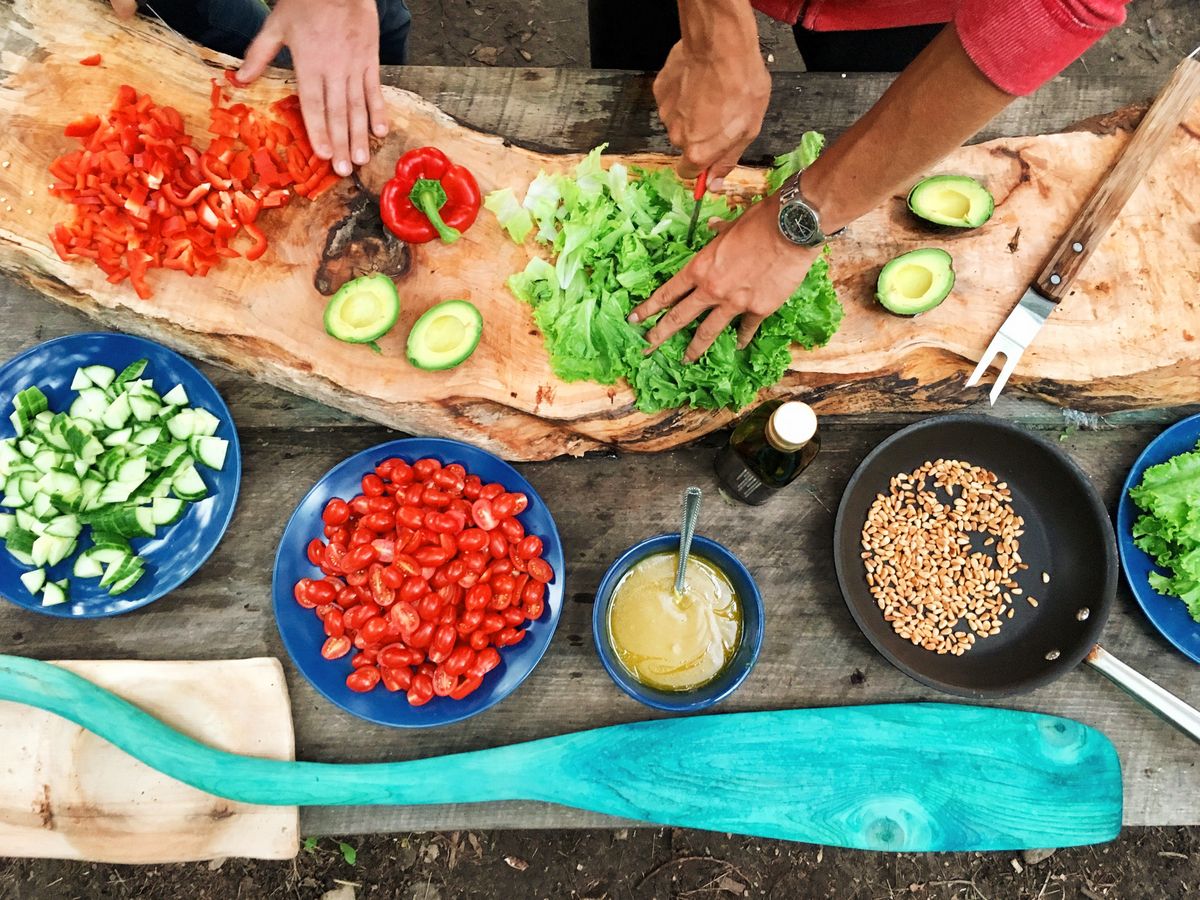
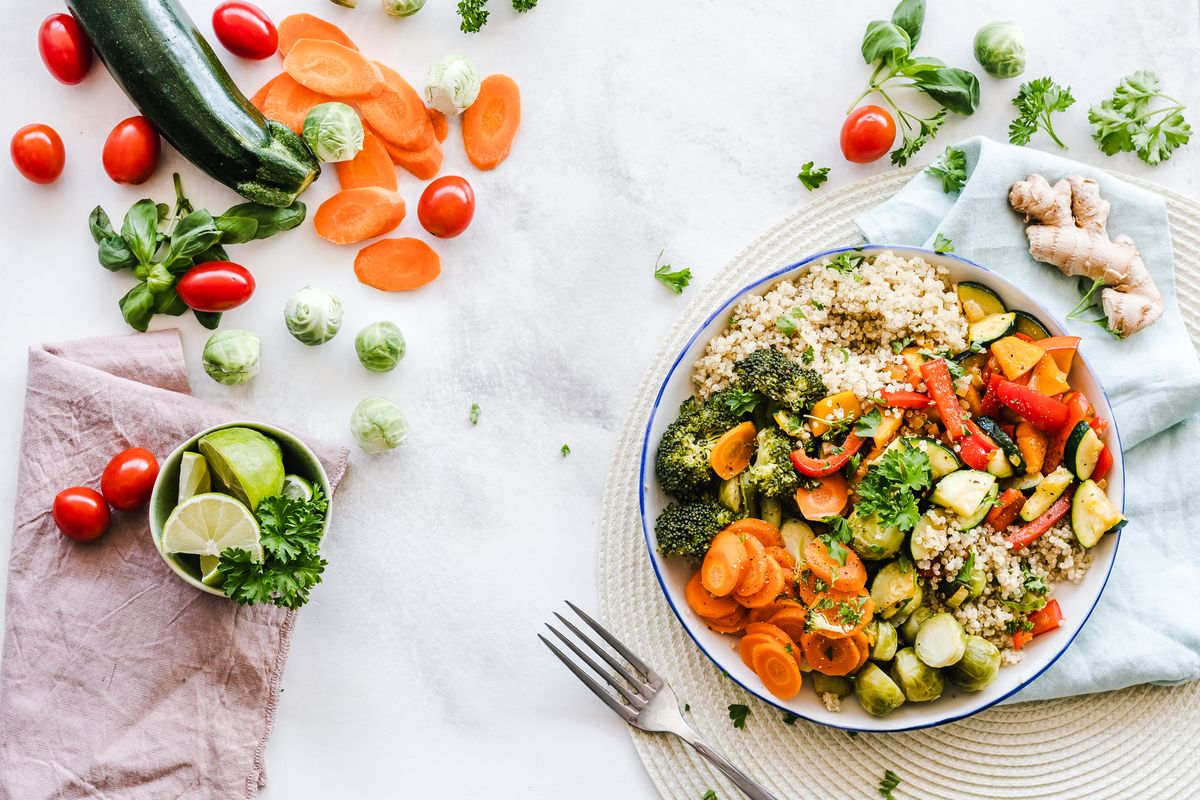
Featured Image: A well-organized meal prep setup with colorful containers filled with prepared meals for the week, fresh vegetables, and a meal planning notebook on a clean kitchen counter.
Getting started with meal prep for beginners can feel overwhelming, but it doesn't have to be. This comprehensive guide will walk you through everything you need to know to start meal prepping successfully, even if you've never cooked for yourself before.
Meal prepping is one of the most effective ways to save time, money, and eat healthier throughout the week. By dedicating a few hours on the weekend to preparing meals, you'll set yourself up for success and avoid the daily "what should I eat?" stress.
📌 Pin this guide for later! You'll want to reference this meal prep guide as you build your routine.
What Is Meal Prep and Why Should You Start?
Understanding Meal Prep
Meal prep simply means preparing some or all of your meals ahead of time. This can range from cooking full meals to just prepping ingredients for faster cooking during the week.
Benefits of Meal Prepping
Save Time: Cook once, eat multiple times. What takes 30 minutes daily adds up to 3.5 hours weekly—meal prep cuts that in half.
Save Money: Planning reduces impulse purchases and takeout. The average person saves $200-400 monthly by meal prepping.
Eat Healthier: When healthy food is ready, you're less likely to choose processed options or fast food.
Reduce Stress: No more daily decisions about what to eat or last-minute scrambling.
Portion Control: Pre-portioned meals help you maintain healthy eating habits.
Reduce Food Waste: Planning means buying only what you need and using everything you buy.
Pro Tip: Start small. You don't need to prep every single meal. Begin with just lunches or dinners for 3-4 days.
Getting Started: What You Need
Essential Equipment
Storage Containers:
- Glass containers (recommended—they're microwave-safe and don't retain odors)
- Bento-style compartment containers
- Mason jars for salads and overnight oats
- Freezer-safe bags for individual portions
Kitchen Tools:
- Sharp chef's knife
- Cutting board
- Large baking sheets
- Multiple mixing bowls
- Slow cooker or Instant Pot (optional but helpful)
- Food storage labels
🛒 Shop This Post: Need meal prep containers? Check out our top-rated glass container sets on Amazon. This post contains affiliate links. We earn a small commission at no extra cost to you.
Basic Pantry Staples
Grains:
- Brown rice
- Quinoa
- Oats
- Whole wheat pasta
Proteins:
- Chicken breast
- Ground turkey
- Eggs
- Canned beans (black, chickpea, kidney)
- Tuna
Produce:
- Sweet potatoes
- Onions
- Garlic
- Carrots
- Bell peppers
- Spinach
- Broccoli
Pantry Items:
- Olive oil
- Low-sodium broth
- Canned tomatoes
- Spices and seasonings
How to Plan Your Meal Prep
Step 1: Choose Your Prep Day
Most people prep on Sunday, but choose what works for your schedule:
- Sunday: Classic choice, sets up the whole week
- Wednesday: Split prep for fresher food (prep twice weekly)
- Your day off: Whenever you have 2-3 hours
Step 2: Decide What to Prep
Don't try to prep everything at once. Start with:
Option A: Lunches Only
- Prep 4-5 lunches for work
- Simplest approach for beginners
- Highest ROI on time investment
Option B: Dinners Only
- Prep 3-4 dinner options
- Great for busy weeknights
- Reduces evening cooking stress
Option C: Ingredients Only
- Wash and chop vegetables
- Cook grains in bulk
- Pre-portion proteins
- Allows for flexible meal assembly
Option D: Full Meal Prep
- All breakfasts, lunches, and dinners
- Most time-efficient overall
- Requires more storage space
Step 3: Plan Your Menu
Use this simple formula:
- 1-2 proteins: Chicken, beef, beans, eggs
- 1-2 grains: Rice, quinoa, pasta
- 3-4 vegetables: Roasted, steamed, or raw
- 1-2 sauces/dressings: For variety
Your First Meal Prep: A Simple Plan
Beginner Meal Prep Menu (4 Lunches)
Main Dish:
- Baked chicken breast (seasoned simply with salt, pepper, garlic)
Sides:
- Brown rice
- Roasted broccoli and carrots
Prep Time: 1.5 hours
Shopping List:
- 4 chicken breasts
- 1 lb broccoli
- 1 lb carrots
- 2 cups brown rice
- Olive oil
- Salt, pepper, garlic powder
Step-by-Step Instructions
1. Start the Rice (30 minutes)
- Rinse 2 cups brown rice
- Add to pot with 4 cups water or broth
- Bring to boil, reduce to simmer
- Cover and cook 40-45 minutes
2. Prep Vegetables (10 minutes)
- Wash broccoli, cut into florets
- Peel and chop carrots into coins
- Toss with olive oil, salt, pepper
3. Bake Everything (25 minutes)
- Preheat oven to 400°F
- Place chicken on one baking sheet
- Spread vegetables on another
- Bake 20-25 minutes until chicken is 165°F
4. Portion and Store (10 minutes)
- Divide rice among 4 containers
- Add chicken and vegetables
- Let cool before refrigerating
📖 Keep Reading: Want more variety? Check out our complete [Meal Prep Ideas Guide] with 50+ recipes!
Meal Prep Tips for Beginners
Storage Guidelines
Refrigerator:
- Most prepped meals last 4-5 days
- Store in airtight containers
- Keep at 40°F or below
Freezer:
- Soups, stews, and casseroles freeze well (up to 3 months)
- Label with date and contents
- Thaw overnight in refrigerator
What Not to Prep Ahead
Some foods don't hold up well:
- Avocado (browns quickly)
- Crunchy vegetables (radishes, cucumbers get soggy)
- Delicate greens (add dressing right before eating)
- Fried foods (lose crispness)
Add Variety Without Extra Work
Mix and Match:
- Same base ingredients, different sauces
- Greek dressing on Monday, BBQ sauce on Tuesday
- Keep hot sauce, salsa, and hummus on hand
Rotate Weekly:
- Week 1: Chicken and rice
- Week 2: Turkey and quinoa
- Week 3: Beef and sweet potato
- Week 4: Fish and pasta
Common Meal Prep Mistakes to Avoid
1. Trying to Do Too Much
Start with 2-3 meals, not an entire week. Building the habit matters more than perfection.
2. Boring Food
Use spices, marinades, and sauces. Prepped food should taste good, not just be convenient.
3. Not Cooling Food Properly
Let food cool before sealing containers (prevents condensation and sogginess).
4. Forgetting Snacks
Prep healthy snacks too—cut vegetables, portioned nuts, hard-boiled eggs.
5. No Backup Plan
Keep emergency backup meals for when prep doesn't happen.
5 Easy Meal Prep Recipes for Beginners
1. Sheet Pan Chicken and Vegetables
The easiest beginner meal prep. Everything cooks on one pan.
2. Mason Jar Salads
Layer dressing on bottom, sturdy vegetables next, greens on top. Lasts 5 days!
3. Overnight Oats
Mix oats, milk, and toppings in a jar. Ready to eat in the morning.
4. Slow Cooker Chili
Dump ingredients, cook 8 hours, portion for the week.
5. Egg Muffins
Beat eggs with vegetables, pour into muffin tins, bake. Freeze for quick breakfasts.
💌 Want weekly meal prep plans? Join 50,000+ readers getting recipes, shopping lists, and tips delivered every week. [Subscribe Now - It's Free!]
Meal Prep FAQ for Beginners
How long does meal prep take?
Expect 1.5-2.5 hours for a week's worth of lunches. You'll get faster with practice.
Can I meal prep if I don't like leftovers?
Focus on ingredient prep instead. Cook components separately and assemble fresh.
What if I don't have a lot of storage space?
Prep ingredients rather than full meals. Use stackable containers. Consider prepping twice weekly in smaller batches.
How do I keep food fresh all week?
Proper storage is key. Use airtight containers, cool food before storing, and keep refrigerated below 40°F.
Is meal prep expensive to start?
Basic meal prep requires minimal investment—just containers and a plan. Start with what you have and upgrade as needed.
Can I meal prep for one person?
Absolutely! Scale recipes down or freeze half for later. Single-serving containers make portion control easy.
Conclusion
Meal prep for beginners doesn't have to be complicated. Start small, keep it simple, and build the habit before adding complexity. Even prepping just lunches for 3-4 days will save you time, money, and stress.
Remember: the best meal prep routine is the one you actually do. Don't worry about Instagram-worthy containers or elaborate menus. Focus on consistency, and you'll see why millions of people have made meal prep part of their lifestyle.
💬 Let's Chat! What's your biggest meal prep challenge? Drop a comment below and let's solve it together!
Related Posts You'll Love:
- [Meal Prep Ideas: 50+ Recipes]
- [Healthy Meal Prep Recipes]
- [Budget Meal Prep Guide]
- [Weekly Meal Planning Guide]
Last Updated: March 2026
Keywords: meal prep for beginners, how to meal prep, beginner meal prep, meal prep guide, meal prepping basics, easy meal prep