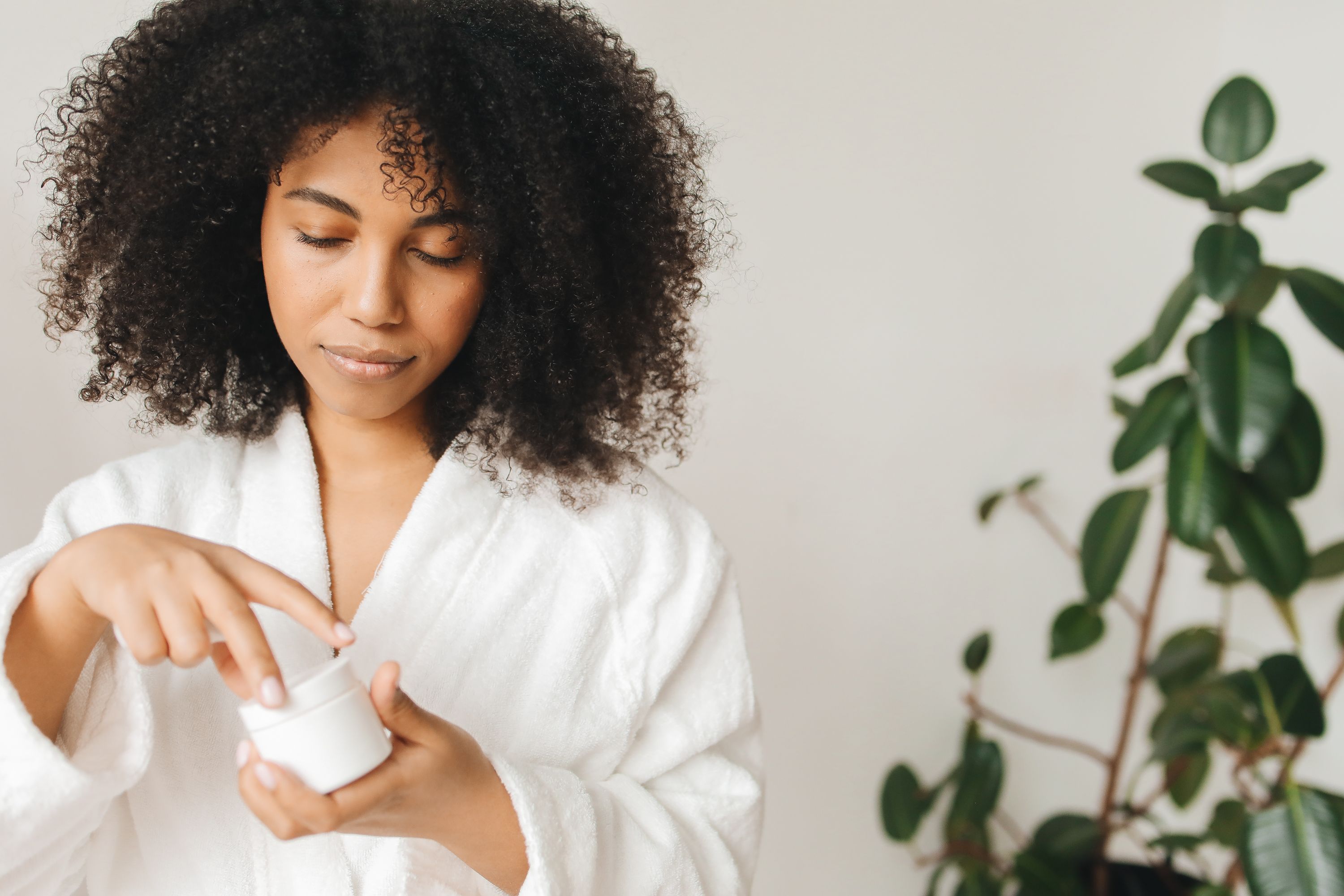
Skincare Routine for Beginners: Complete Step-by-Step Guide
Want glowing, healthy skin but don't know where to start? You're not alone. With thousands of products flooding the market and conflicting advice everywhere, building a skincare routine can feel overwhelming. But here's the truth: great skin doesn't require a 12-step routine or expensive products. It requires consistency, the right ingredients for your skin type, and understanding the basics.
In this ultimate guide to skincare routines for beginners, we'll demystify everything from identifying your skin type to creating personalized morning and evening routines that actually work. Whether you're a complete novice or looking to refine your current regimen, this comprehensive guide has you covered.
By the end of this article, you'll have:
- A clear understanding of your skin type
- A personalized morning and evening skincare routine
- Product recommendations for every budget
- Solutions to common skin concerns
- Access to our FREE printable skincare routine checklist (download below)
Let's dive into the world of skincare and discover how to achieve your best skin ever!
Understanding Your Skin Type: The Foundation of Every Great Skincare Routine
Before you can build an effective skincare routine, you need to understand what you're working with. Your skin type determines which products will work best for you and how your skin responds to different ingredients. Using the wrong products for your skin type is one of the most common mistakes beginners make.
The Five Main Skin Types
1. Normal Skin
Normal skin is well-balanced—not too oily, not too dry. Pores are barely visible, and the skin has a smooth texture with few imperfections. If you have normal skin, congratulations! You have the most low-maintenance skin type, but you still need a proper skincare routine to maintain that balance.
Signs you have normal skin:
- Minimal visible pores
- Smooth, even texture
- Rarely experiences breakouts
- Comfortable after cleansing (not tight or greasy)
- Radiant complexion without excessive shine
2. Dry Skin
Dry skin produces less sebum (natural oil) than normal skin, leading to a lack of lipids needed to retain moisture and build a protective barrier. This skin type often feels tight, especially after cleansing, and may show visible flaking or rough patches.
Signs you have dry skin:
- Tight, uncomfortable feeling after washing
- Visible flaking or rough texture
- Fine lines appear more prominent
- Dull, lackluster complexion
- Almost invisible pores
- May experience itching or irritation
3. Oily Skin
Oily skin produces excess sebum, leading to a shiny complexion and enlarged pores. While this skin type is more prone to acne and blackheads, the good news is that oily skin tends to age slower due to the natural moisture barrier.
Signs you have oily skin:
- Shiny appearance, especially in the T-zone (forehead, nose, chin)
- Enlarged, visible pores
- Prone to blackheads, whiteheads, and breakouts
- Makeup tends to slide off
- Skin feels greasy by midday
4. Combination Skin
Combination skin is the most common skin type, featuring both oily and dry areas. Typically, the T-zone is oily while the cheeks remain normal or dry. This skin type requires a balanced approach in your skincare routine.
Signs you have combination skin:
- Oily T-zone with normal or dry cheeks
- Enlarged pores in the oily areas
- Occasional breakouts in the T-zone
- Dry patches on cheeks
- Different needs in different areas of your face
5. Sensitive Skin
Sensitive skin is more reactive than other types and may burn, sting, or become inflamed when exposed to certain products or environmental factors. This skin type requires extra gentle care and careful ingredient selection.
Signs you have sensitive skin:
- Reacts easily to new products
- Prone to redness and flushing
- Stinging or burning sensation with certain ingredients
- May experience dryness and oiliness simultaneously
- History of conditions like eczema, rosacea, or allergies
Quick Skin Type Quiz
Not sure which category you fall into? Answer these questions:
How does your skin feel 2 hours after cleansing?
- A) Tight and uncomfortable (Dry)
- B) Shiny all over (Oily)
- C) Shiny in T-zone only (Combination)
- D) Comfortable and balanced (Normal)
- E) Irritated or itchy (Sensitive)
How visible are your pores?
- A) Almost invisible (Dry/Normal)
- B) Large and visible (Oily)
- C) Large in T-zone only (Combination)
- D) Varies with irritation (Sensitive)
How often do you experience breakouts?
- A) Rarely (Dry/Normal)
- B) Frequently (Oily)
- C) Occasionally in T-zone (Combination)
- D) When using new products (Sensitive)
How does your skin react to new products?
- A) Takes time to adjust (Dry)
- B) Usually tolerates well (Oily/Normal)
- C) Mixed reactions depending on area (Combination)
- D) Often becomes red or irritated (Sensitive)
Pro Tip: Your skin type can change with age, hormones, climate, and seasons. Reassess your skin type every 6-12 months to ensure your skincare routine remains effective.
The Anatomy of a Skincare Routine: Understanding the Basics
Every effective skincare routine follows a simple principle: apply products from thinnest to thickest consistency. This ensures that lightweight, water-based products penetrate the skin before heavier, oil-based products create a protective barrier.
The Essential Steps Every Skincare Routine Needs
While 10-step routines dominate social media, you only need five core steps for healthy skin:
- Cleanse – Remove dirt, oil, and impurities
- Tone – Balance pH and prep skin for treatment
- Treat – Address specific concerns with active ingredients
- Moisturize – Hydrate and protect the skin barrier
- Protect – Shield from UV damage (morning only)
These steps form the foundation of both morning and evening routines, with slight variations for each time of day.
Understanding Active Ingredients
Active ingredients are the powerhouses of your skincare routine. They deliver visible results by targeting specific concerns:
- Vitamin C – Brightening, antioxidant protection, collagen support
- Retinol/Retinoids – Anti-aging, acne treatment, cell turnover
- Hyaluronic Acid – Hydration, plumping, moisture retention
- Niacinamide – Oil control, pore refinement, barrier repair
- AHAs/BHAs – Exfoliation, texture improvement, pore clearing
- Peptides – Anti-aging, firming, collagen stimulation
Understanding these ingredients helps you choose products that will actually deliver results for your specific skin concerns.
Morning Skincare Routine: Protect and Prepare
Your morning skincare routine has one primary goal: protection. Throughout the day, your skin faces environmental stressors like UV rays, pollution, and blue light. A well-crafted morning routine creates a shield while providing hydration and treatment.
Step 1: Cleanse (or Just Rinse)
Time: 1 minute | Purpose: Remove overnight products and prep skin
After 8 hours of sleep, your skin has been working hard to repair itself. While some people need a full cleanse, others can get away with just rinsing with water.
Who should cleanse in the morning:
- Oily and acne-prone skin types
- Those who use heavy night creams or facial oils
- People who sweat during the night
- Anyone who feels greasy upon waking
Who can skip morning cleansing:
- Very dry or sensitive skin types
- Those who use lightweight night products
- People with normal skin who don't feel oily
Product Recommendations:
- Budget: CeraVe Hydrating Cleanser – $15 | Gentle, non-stripping, ceramide-rich
- Mid-Range: La Roche-Posay Toleriane Cleanser – $25 | Ultra-gentle, suitable for sensitive skin
- Luxury: Tata Harper Regenerating Cleanser – $88 | Natural ingredients, gentle exfoliation
How to do it: Use lukewarm water and gentle circular motions. Avoid hot water, which can strip natural oils. Pat dry with a clean towel—don't rub.
Step 2: Tone (Optional but Recommended)
Time: 30 seconds | Purpose: Balance pH and enhance product absorption
Toners have evolved from the drying, alcohol-laden formulas of the past. Modern toners (or essences) hydrate, balance your skin's pH, and help subsequent products penetrate deeper.
Benefits of toning:
- Restores skin's natural pH after cleansing
- Adds a layer of hydration
- Preps skin for serums and moisturizers
- Can deliver targeted treatment ingredients
Product Recommendations:
- Budget: Thayers Witch Hazel Toner – $11 | Alcohol-free, soothing rose variant
- Mid-Range: Paula's Choice Skin Recovery Toner – $24 | Hydrating, milky texture
- Luxury: SK-II Facial Treatment Essence – $185 | Pitera-rich, cult favorite
How to do it: Apply to a cotton pad and swipe across face, or dispense into palms and press into skin. The pressing method is more hydrating and wastes less product.
Step 3: Treat with Serum
Time: 1 minute | Purpose: Deliver concentrated active ingredients
Serums are the treatment step of your skincare routine. These lightweight formulations contain high concentrations of active ingredients designed to target specific concerns like dullness, fine lines, or acne.
Morning serum options by concern:
For Brightening and Protection:
- Vitamin C is the gold standard morning serum ingredient
- Protects against free radical damage from UV and pollution
- Inhibits melanin production for brighter skin
- Boosts collagen synthesis
Product Recommendations:
- Budget: The Ordinary Vitamin C Suspension – $7 | High potency, budget-friendly
- Mid-Range: Paula's Choice C15 Super Booster – $55 | Stable formula, effective concentration
- Luxury: SkinCeuticals C E Ferulic – $182 | Industry gold standard, patented formula
For Hydration:
- Hyaluronic Acid attracts and holds 1000x its weight in water
- Plumps skin and reduces appearance of fine lines
- Works for all skin types
Product Recommendations:
- Budget: The Ordinary Hyaluronic Acid 2% + B5 – $8 | Simple, effective hydration
- Mid-Range: Vichy Mineral 89 – $30 | Mineral-rich, lightweight
- Luxury: Dr. Barbara Sturm Hyaluronic Serum – $300 | Multi-molecular, intensely hydrating
For Oil Control and Pore Refinement:
- Niacinamide regulates sebum production
- Minimizes pore appearance
- Strengthens skin barrier
Product Recommendations:
- Budget: The Ordinary Niacinamide 10% + Zinc – $6 | High concentration, affordable
- Mid-Range: Paula's Choice 10% Niacinamide Booster – $46 | Lightweight, effective
- Luxury: La Mer The Regenerating Serum – $385 | Luxurious texture, multiple benefits
How to do it: Apply 3-4 drops to fingertips and press into skin. Wait 1-2 minutes before applying moisturizer to allow full absorption.
Step 4: Moisturize
Time: 1 minute | Purpose: Hydrate and seal in treatment products
Moisturizer is non-negotiable in any skincare routine, regardless of skin type. Even oily skin needs hydration—skipping moisturizer can actually cause your skin to produce more oil.
Key ingredients to look for:
- Ceramides – Strengthen skin barrier, prevent moisture loss
- Glycerin – Humectant that draws moisture to skin
- Squalane – Lightweight, non-comedogenic oil
- Peptides – Support collagen production
- Hyaluronic Acid – Deep hydration
Product Recommendations by Skin Type:
For Dry Skin:
- Budget: CeraVe Moisturizing Cream – $18 | Rich, ceramide-packed
- Mid-Range: First Aid Beauty Ultra Repair Cream – $38 | Intense hydration, colloidal oatmeal
- Luxury: La Mer Crème de la Mer – $380 | Iconic, deeply nourishing
For Oily Skin:
- Budget: Neutrogena Hydro Boost Gel-Cream – $20 | Lightweight, hyaluronic acid
- Mid-Range: Tatcha The Water Cream – $72 | Oil-free, Japanese botanicals
- Luxury: Drunk Elephant Protini Polypeptide Cream – $68 | Protein-packed, lightweight
For Combination Skin:
- Budget: Cetaphil Daily Hydrating Lotion – $15 | Balanced hydration
- Mid-Range: Belif The True Cream Aqua Bomb – $38 | Gel-cream texture
- Luxury: Sisley Black Rose Skin Infusion Cream – $195 | Plumping, radiant finish
For Sensitive Skin:
- Budget: Vanicream Moisturizing Cream – $14 | Minimal ingredients, dermatologist recommended
- Mid-Range: Avene Tolerance Extreme Cream – $38 | Sterile formulation, ultra-gentle
- Luxury: Augustinus Bader The Rich Cream – $280 | TFC8 technology, regenerative
How to do it: Take a pea-sized amount and warm between fingertips. Press and massage into skin using upward motions. Don't forget your neck!
Step 5: Protect with Sunscreen (THE MOST IMPORTANT STEP)
Time: 1 minute | Purpose: Prevent UV damage, premature aging, and skin cancer
If you only do one thing for your skin, make it sunscreen. UV exposure is responsible for up to 90% of visible skin aging. No skincare routine is complete without daily sun protection.
Sunscreen basics:
- Use SPF 30 or higher every single day
- Apply 1/4 teaspoon for face alone
- Reapply every 2 hours when outdoors
- UV rays penetrate clouds and windows
Chemical vs. Mineral Sunscreen:
Chemical Sunscreens:
- Absorb UV rays and convert to heat
- Lighter texture, no white cast
- Ingredients: Avobenzone, Octinoxate, Oxybenzone
Product Recommendations:
- Budget: Neutrogena Ultra Sheer SPF 50 – $12 | Lightweight, drugstore favorite
- Mid-Range: Supergoop! Unseen Sunscreen SPF 40 – $38 | Invisible, makeup-gripping
- Luxury: La Mer The SPF 50 UV Protecting Fluid – $95 | Luxurious, skincare benefits
Mineral/Physical Sunscreens:
- Sit on skin surface and reflect UV rays
- Better for sensitive skin
- Ingredients: Zinc Oxide, Titanium Dioxide
Product Recommendations:
- Budget: CeraVe Hydrating Mineral Sunscreen SPF 30 – $16 | Ceramide-enriched
- Mid-Range: EltaMD UV Clear SPF 46 – $39 | Dermatologist favorite, niacinamide
- Luxury: Drunk Elephant Umbra Sheer SPF 30 – $36 | Clean ingredients, antioxidants
How to do it: Apply as the final step of your routine, after moisturizer has absorbed. Use the two-finger rule (squeeze sunscreen along length of index and middle fingers) for adequate coverage. Don't forget ears, neck, and hands!
Evening Skincare Routine: Repair and Renew
Your evening skincare routine focuses on repair. While you sleep, your skin enters regeneration mode, producing new cells and repairing daytime damage. Your night routine should support this natural process with nourishing ingredients and targeted treatments.
Step 1: Remove Makeup and Sunscreen (Double Cleansing)
Time: 2-3 minutes | Purpose: Thoroughly remove makeup, SPF, and daily grime
Double cleansing is the foundation of an effective evening skincare routine. The first cleanse removes makeup and sunscreen; the second cleanses the skin itself.
First Cleanse: Oil-Based Cleanser
Oil cleansers dissolve makeup, sunscreen, and excess sebum without stripping skin. They're suitable for all skin types—even oily skin!
Product Recommendations:
- Budget: Simple Hydrating Cleansing Oil – $10 | Gentle, effective
- Mid-Range: DHC Deep Cleansing Oil – $28 | Olive oil-based, cult classic
- Luxury: Tatcha Camellia Cleansing Oil – $50 | Japanese camellia oil, luxurious
Second Cleanse: Water-Based Cleanser
Follow with your regular cleanser to remove any remaining residue and actually clean the skin.
Product Recommendations:
- Budget: CeraVe Foaming Facial Cleanser – $15 | For normal/oily skin
- Mid-Range: Fresh Soy Face Cleanser – $38 | Gentle, amino acid-rich
- Luxury: La Mer The Cleansing Foam – $95 | Luxurious, purifying
How to do it: Massage oil cleanser onto dry skin for 60 seconds. Emulsify with water, then rinse. Follow with water-based cleanser using gentle circular motions. Rinse thoroughly with lukewarm water.
Step 2: Tone (Optional)
Same as morning routine—use if you enjoy the step and see benefits. Some people prefer to skip toning at night to streamline their routine.
Step 3: Exfoliate (2-3 times per week, not daily)
Time: 1 minute | Purpose: Remove dead skin cells, promote cell turnover
Exfoliation is crucial for glowing skin but should be done in moderation. Over-exfoliation damages your skin barrier and causes more harm than good.
Types of Exfoliation:
Chemical Exfoliants (Recommended for most skin types):
AHAs (Alpha Hydroxy Acids) – Water-soluble, work on skin surface
- Glycolic acid: Intense exfoliation, anti-aging
- Lactic acid: Gentle, hydrating
- Mandelic acid: Very gentle, good for sensitive skin
BHAs (Beta Hydroxy Acids) – Oil-soluble, penetrate pores
- Salicylic acid: Unclogs pores, treats acne
- Best for oily, acne-prone skin
Product Recommendations:
- Budget: The Ordinary AHA 30% + BHA 2% Peeling Solution – $8 | Weekly treatment, powerful
- Mid-Range: Paula's Choice 2% BHA Liquid Exfoliant – $35 | Cult favorite, gentle daily use
- Luxury: Drunk Elephant T.L.C. Framboos Glycolic Night Serum – $90 | Blend of AHA/BHA, effective
Physical Exfoliants:
- Scrubs with granules
- Use sparingly and gently
- Avoid harsh, jagged particles (crushed walnut shells, etc.)
Product Recommendations:
- Budget: St. Ives Gentle Smoothing Oatmeal Scrub – $5 | Gentle, oat-based
- Mid-Range: Tatcha The Rice Polish – $68 | Enzyme powder, customizable
- Luxury: La Prairie Cellular Mineral Face Exfoliator – $165 | Luxurious, mineral-rich
How to do it: Apply chemical exfoliant after toning, before serums. Start with once weekly and gradually increase to 2-3 times. Always follow with moisturizer. Never use retinol on the same night as strong exfoliants.
Step 4: Treat with Targeted Serums
Time: 1-2 minutes | Purpose: Address specific concerns with potent ingredients
Evening is the ideal time for stronger active ingredients that can make skin more sun-sensitive or work best during skin's repair cycle.
Key Nighttime Actives:
Retinol/Retinoids (The Anti-Aging Gold Standard):
- Increases cell turnover
- Stimulates collagen production
- Treats acne, fine lines, and hyperpigmentation
- Start slowly to avoid irritation
Product Recommendations:
- Budget: The Ordinary Retinol 0.5% in Squalane – $8 | Beginner-friendly
- Mid-Range: Cerave Skin Renewing Retinol Serum – $22 | Encapsulated, gentle
- Luxury: Shani Darden Retinol Reform – $88 | Celebrity esthetician formula
- Prescription: Tretinoin – Consult dermatologist
Peptides:
- Signal skin to produce collagen
- Gentle, suitable for sensitive skin
- Can be combined with other actives
Product Recommendations:
- Budget: The Ordinary "Buffet" Multi-Technology Peptide Serum – $15 | Multi-peptide complex
- Mid-Range: Drunk Elephant Protini Powerpeptide Resurf Serum – $82 | Lactic acid + peptides
- Luxury: Sisley Sisleÿa L'Intégral Anti-Âge Serum – $620 | Comprehensive anti-aging
Hyaluronic Acid:
- Can be used both morning and night
- Especially beneficial at night when skin loses moisture
- Look for multi-molecular weight formulas
Product Recommendations:
- Budget: Good Molecules Hyaluronic Acid Serum – $6 | Lightweight, effective
- Mid-Range: Vichy Aqualia Thermal Power Serum – $36 | Mineral water base
- Luxury: La Mer The Regenerating Serum – $385 | Cellular renewal
How to do it: Apply thinnest serum first, waiting 1-2 minutes between layers. If using retinol, apply to completely dry skin to minimize irritation. Start with 2-3 times weekly and gradually increase frequency.
Step 5: Eye Cream (Optional but Beneficial)
Time: 30 seconds | Purpose: Target delicate eye area concerns
The skin around your eyes is thinner and more delicate than the rest of your face, making it prone to early signs of aging, puffiness, and dark circles.
Eye cream benefits:
- Thicker formulation for delicate skin
- Targeted ingredients for specific concerns
- Addresses puffiness, dark circles, and fine lines
Product Recommendations by Concern:
For Dark Circles:
- Budget: CeraVe Eye Repair Cream – $16 | Niacinamide, ceramides
- Mid-Range: Kiehl's Creamy Eye Treatment with Avocado – $34 | Rich, hydrating
- Luxury: La Mer The Eye Concentrate – $260 | Brightening, luxurious
For Puffiness:
- Budget: The Inkey List Caffeine Eye Cream – $10 | De-puffing, affordable
- Mid-Range: Origins GinZing Refreshing Eye Cream – $35 | Caffeine, brightening
- Luxury: Sisley Black Rose Eye Contour Fluid – $150 | Immediate smoothing
For Fine Lines:
- Budget: RoC Retinol Correxion Eye Cream – $25 | Retinol, drugstore classic
- Mid-Range: Drunk Elephant C-Tango Multivitamin Eye Cream – $64 | Five forms of vitamin C
- Luxury: La Prairie Skin Caviar Eye Lift – $550 | Dual-chamber, lifting
How to do it: Use your ring finger (weakest finger) to gently tap a pea-sized amount around the orbital bone. Don't apply too close to lashes to avoid migration into eyes.
Step 6: Moisturize (Night Cream or Facial Oil)
Time: 1 minute | Purpose: Seal in treatments and provide overnight hydration
Night moisturizers are typically richer than day formulas to support skin's repair process and prevent moisture loss during sleep.
Night cream vs. day cream:
- Richer, more emollient texture
- No SPF needed
- Often contains higher concentrations of nourishing ingredients
- May include retinol or other nighttime actives
Product Recommendations:
For Dry Skin:
- Budget: CeraVe Skin Renewing Night Cream – $20 | Peptide complex
- Mid-Range: First Aid Beauty Ultra Repair Hydra-Firm Night Cream – $42 | Colloidal oatmeal
- Luxury: Augustinus Bader The Rich Cream – $280 | Regenerative, transformative
For Oily Skin:
- Budget: Neutrogena Hydro Boost Water Gel – $20 | Oil-free, hyaluronic acid
- Mid-Range: Tatcha The Water Cream – $72 | Pore-refining
- Luxury: La Mer The Moisturizing Cool Gel Cream – $350 | Lightweight, cooling
For All Skin Types:
- Budget: Vanicream Moisturizing Cream – $14 | Simple, effective
- Mid-Range: Kate Somerville Goat Milk Moisturizing Cream – $70 | Balancing, gentle
- Luxury: Sisley Black Rose Skin Infusion Cream – $195 | Instant glow
How to do it: Apply slightly more product than your morning moisturizer. Massage in upward motions, including neck and décolletage. Allow a few minutes before lying down to avoid product transfer to pillow.
Weekly Treatments: Elevate Your Skincare Routine
Beyond your daily skincare routine, weekly treatments provide intensive care for specific concerns. These aren't daily necessities but can dramatically improve results when incorporated consistently.
Face Masks: Targeted Treatment
Frequency: 1-2 times per week | Time: 10-20 minutes
Masks deliver concentrated ingredients in a short time. Choose based on your skin's needs:
Clay Masks (Oily/Acne-Prone Skin):
- Absorb excess oil
- Unclog pores
- Reduce shine
Product Recommendations:
- Budget: Aztec Secret Indian Healing Clay – $15 | Mix with apple cider vinegar
- Mid-Range: Fresh Umbrian Clay Purifying Mask – $58 | Gentle, multi-use
- Luxury: La Mer The Lifting and Firming Mask – $295 | Creamy, rejuvenating
Hydrating Masks (Dry/Dehydrated Skin):
- Replenish moisture
- Plump and smooth
- Restore radiance
Product Recommendations:
- Budget: Neutrogena Hydro Boost Hydrating Hydrogel Mask – $4 | Hyaluronic acid boost
- Mid-Range: Summer Fridays Jet Lag Mask – $49 | Multi-use, hydrating
- Luxury: La Prairie Skin Caviar Luxe Sleep Mask – $410 | Overnight treatment
Exfoliating Masks (Dull/Textured Skin):
- Resurface skin
- Brighten complexion
- Smooth texture
Product Recommendations:
- Budget: The Ordinary AHA 30% + BHA 2% Peeling Solution – $8 | Powerful weekly treatment
- Mid-Range: Herbivore Blue Tansy Resurfacing Clarity Mask – $56 | Natural AHAs
- Luxury: Tata Harper Resurfacing Mask – $65 | Instant glow
Facial Massage and Tools
Frequency: Daily or as desired | Time: 5-10 minutes
Incorporating tools into your skincare routine enhances product absorption and provides additional benefits:
Jade/Gua Sha Tools:
- Promote lymphatic drainage
- Reduce puffiness
- Relax facial muscles
Product Recommendations:
- Budget: Mount Lai Gua Sha Facial Lifting Tool – $28 | Traditional jade
- Mid-Range: Herbivore Jade Facial Roller – $32 | Cooling, de-puffing
- Luxury: Joanna Czech Facial Massager – $189 | Professional-grade
LED Light Therapy:
- Red light: Anti-aging, collagen stimulation
- Blue light: Acne treatment
- Near-infrared: Deep healing
Product Recommendations:
- Budget: SolaWave 4-in-1 Skincare Wand – $149 | Multi-functional
- Mid-Range: Dr. Dennis Gross DRx SpectraLite FaceWare Pro – $455 | Professional results
- Luxury: Omnilux Contour Face – $395 | Medical-grade LEDs
Sample Skincare Routines by Skin Type
Normal Skin Routine
Morning:
- Rinse with water or gentle cleanser
- Vitamin C serum
- Lightweight moisturizer
- SPF 30+ sunscreen
Evening:
- Oil cleanser + water-based cleanser
- Exfoliate 2x weekly
- Hydrating serum or retinol (alternate nights)
- Eye cream
- Night moisturizer
Recommended Products:
- Cleanser: Fresh Soy Face Cleanser
- Serum: Paula's Choice C15 Super Booster
- Moisturizer: Belif The True Cream Aqua Bomb
- Sunscreen: Supergoop! Unseen Sunscreen SPF 40
Dry Skin Routine
Morning:
- Rinse with water only
- Hydrating toner
- Hyaluronic acid serum + Vitamin C
- Rich moisturizer
- SPF 30+ sunscreen
Evening:
- Cleansing balm + creamy cleanser
- Exfoliate 1x weekly (gentle lactic acid)
- Hydrating serum
- Rich night cream or facial oil
- Sleeping mask 2x weekly
Recommended Products:
- Cleanser: CeraVe Hydrating Cleanser
- Serum: Vichy Mineral 89
- Moisturizer: First Aid Beauty Ultra Repair Cream
- Sunscreen: EltaMD UV Elements SPF 44
Oily/Acne-Prone Skin Routine
Morning:
- Foaming cleanser
- Niacinamide serum
- Oil-free moisturizer
- SPF 30+ sunscreen (gel formula)
Evening:
- Oil cleanser + foaming cleanser
- BHA exfoliant 2-3x weekly
- Retinol serum
- Lightweight gel moisturizer
Recommended Products:
- Cleanser: CeraVe Foaming Facial Cleanser
- Treatment: Paula's Choice 2% BHA Liquid Exfoliant
- Moisturizer: Neutrogena Hydro Boost Gel-Cream
- Sunscreen: Supergoop! Unseen Sunscreen SPF 40
Combination Skin Routine
Morning:
- Gentle cleanser
- Vitamin C serum
- Gel-cream moisturizer
- SPF 30+ sunscreen
Evening:
- Oil cleanser + gentle cleanser
- Multi-acid exfoliant 2x weekly
- Targeted treatment (niacinamide T-zone, hydrating cheeks)
- Balancing night cream
Recommended Products:
- Cleanser: La Roche-Posay Toleriane Cleanser
- Serum: The Ordinary Niacinamide 10% + Zinc
- Moisturizer: Belif The True Cream Aqua Bomb
- Sunscreen: EltaMD UV Clear SPF 46
Sensitive Skin Routine
Morning:
- Splash with water
- Gentle, fragrance-free moisturizer
- Mineral SPF 30+ sunscreen
Evening:
- Micellar water or gentle milk cleanser
- Gentle moisturizer
- Occasional hydrating mask
Avoid: Fragrance, essential oils, high-percentage acids, physical scrubs
Recommended Products:
- Cleanser: Avene Tolerance Extreme Cleansing Lotion
- Moisturizer: Vanicream Moisturizing Cream
- Sunscreen: EltaMD UV Physical SPF 41
Common Skincare Routine Mistakes to Avoid
Even with the best intentions, beginners often make these common mistakes that sabotage their skincare routine:
1. Over-Exfoliating
More is not better when it comes to exfoliation. Using acids daily or combining multiple exfoliating products destroys your skin barrier, leading to sensitivity, redness, and breakouts.
Solution: Start with 1-2 times weekly and gradually increase. Never use strong acids and retinol on the same night.
2. Skipping Sunscreen
The most damaging mistake of all. UV exposure causes premature aging, hyperpigmentation, and skin cancer. Your expensive serums are wasted without daily SPF protection.
Solution: Make sunscreen the non-negotiable final step every morning. Reapply every 2 hours when outdoors.
3. Inconsistent Routine
Skincare requires patience and consistency. Switching products too frequently or skipping days prevents ingredients from working.
Solution: Stick to your routine for at least 6-8 weeks before evaluating results. Most products need 28 days (one skin cycle) to show effects.
4. Using Too Many Products at Once
The famous 10-step routine isn't necessary and can overwhelm your skin. More products increase the risk of irritation and ingredient conflicts.
Solution: Start with the basics (cleanse, moisturize, SPF) and add one new product at a time.
5. Applying Products in the Wrong Order
Applying thick creams before lightweight serums prevents absorption. The golden rule is thinnest to thickest.
Solution: Follow the order: cleanser → toner → serum → moisturizer → SPF (morning).
6. Not Patch Testing New Products
Slathering new products all over your face without testing is a recipe for disaster, especially for sensitive skin types.
Solution: Apply new products to a small area behind your ear or jawline for 3 days before full-face application.
7. Ignoring Your Neck and Hands
These areas show age just as much as your face but are often neglected.
Solution: Extend all skincare products down to your neck and chest. Apply sunscreen to hands daily.
8. Sleeping with Makeup On
This cardinal sin clogs pores, causes breakouts, and prevents skin repair.
Solution: Keep makeup remover wipes by your bed for emergencies, but aim for proper double cleansing.
Building Your Skincare Routine on a Budget
Great skin doesn't require a trust fund. Here's how to build an effective skincare routine at every price point:
Budget Routine (Under $50 Total)
| Step | Product | Price |
|---|---|---|
| Cleanser | CeraVe Hydrating Cleanser | $15 |
| Moisturizer | CeraVe Daily Moisturizing Lotion | $12 |
| Sunscreen | Neutrogena Ultra Sheer SPF 50 | $12 |
| Treatment | The Ordinary Niacinamide 10% + Zinc | $6 |
| Total | $45 |
Mid-Range Routine ($100-150 Total)
| Step | Product | Price |
|---|---|---|
| Cleanser | La Roche-Posay Toleriane Cleanser | $25 |
| Serum | Paula's Choice 10% Niacinamide Booster | $46 |
| Moisturizer | First Aid Beauty Ultra Repair Cream | $38 |
| Sunscreen | EltaMD UV Clear SPF 46 | $39 |
| Treatment | The Ordinary Retinol 0.5% | $8 |
| Total | $156 |
Luxury Routine ($500+ Total)
| Step | Product | Price |
|---|---|---|
| Cleanser | Tata Harper Regenerating Cleanser | $88 |
| Serum | SkinCeuticals C E Ferulic | $182 |
| Moisturizer | La Mer Crème de la Mer | $380 |
| Sunscreen | La Mer The SPF 50 UV Protecting Fluid | $95 |
| Eye Cream | La Mer The Eye Concentrate | $260 |
| Total | $1,005 |
Money-Saving Tips:
- Prioritize investment in serums and sunscreen – These deliver the most results
- Use drugstore cleansers and basic moisturizers – They work just as well
- Wait for sales – Sephora, Ulta, and brand websites have frequent discounts
- Buy value sizes – Larger sizes often offer significant savings
- Use single-ingredient serums – The Ordinary and The Inkey List offer affordable options
- Don't waste product – Use recommended amounts; more doesn't mean better results
Troubleshooting Common Skincare Issues
Problem: My Skin Is Breaking Out After Starting a New Routine
Possible Causes:
- Purging from active ingredients (retinoids, acids)
- Reaction to a new product
- Over-exfoliation
- Comedogenic ingredients
Solutions:
- If using retinol or acids, purging is normal for 4-6 weeks
- Stop all new products and reintroduce one at a time
- Check ingredients for known comedogens
- Simplify your routine temporarily
Problem: My Skin Feels Tight and Dry
Possible Causes:
- Over-cleansing or harsh cleansers
- Insufficient moisturizer
- Over-exfoliation
- Dehydration
Solutions:
- Switch to a gentler, hydrating cleanser
- Add a hyaluronic acid serum
- Use a richer moisturizer, especially at night
- Reduce exfoliation frequency
- Drink more water
Problem: My Skin Is Red and Irritated
Possible Causes:
- Allergic reaction to an ingredient
- Compromised skin barrier
- Too many active ingredients
- Fragrance or essential oil sensitivity
Solutions:
- Stop all active ingredients immediately
- Use only gentle cleanser and moisturizer until healed
- Check products for fragrance, essential oils, or known irritants
- See a dermatologist if irritation persists
Problem: My Skin Is Still Oily Despite My Routine
Possible Causes:
- Dehydrated skin overproducing oil
- Wrong moisturizer for skin type
- Skipping moisturizer entirely
- Hormonal factors
Solutions:
- Don't skip moisturizer—use an oil-free, gel formula
- Add niacinamide to regulate sebum production
- Ensure you're not over-cleansing
- Consider hormonal causes and consult a doctor if needed
Problem: My Products Pill or Roll Off
Possible Causes:
- Applying products too quickly without absorption time
- Incompatible ingredients (silicones + water-based products)
- Using too much product
- Layering in wrong order
Solutions:
- Wait 1-2 minutes between product layers
- Use less product—a little goes a long way
- Check ingredient compatibility
- Ensure proper application order (thinnest to thickest)
Frequently Asked Questions (FAQ)
How long does it take to see results from a new skincare routine?
Most skincare products need at least 28 days (one skin cell turnover cycle) to show visible results. Anti-aging products like retinol can take 8-12 weeks. Be patient and consistent—skincare is a marathon, not a sprint.
Can I mix different active ingredients together?
Some ingredients work well together (vitamin C + sunscreen, niacinamide + most ingredients), while others should be separated (retinol + strong acids, vitamin C + certain acids). When in doubt, use conflicting actives at different times of day or on alternate nights.
Do I really need a separate eye cream?
Eye cream isn't strictly necessary if your regular moisturizer is fragrance-free and gentle. However, eye creams are formulated for the delicate eye area and often contain specific ingredients for dark circles, puffiness, or crow's feet. If you have specific eye concerns, a dedicated eye cream is worth the investment.
Is natural skincare better than synthetic?
Not necessarily. "Natural" doesn't always mean safer or more effective. Many synthetic ingredients are well-researched, stable, and highly effective. Conversely, some natural ingredients (like essential oils and citrus extracts) can be irritating. Focus on proven ingredients rather than marketing terms.
How do I know if a product is breaking me out?
True breakouts from products usually appear within a few days to a week and occur in areas where you don't typically break out. Purging from actives like retinol or acids happens in your usual breakout zones and can last 4-6 weeks. If you're unsure, stop the product and consult a dermatologist.
Can I use the same skincare routine year-round?
Your skin's needs change with the seasons. Many people need richer moisturizers in winter and lighter formulas in summer. You may also need to adjust your routine based on hormonal changes, travel, or stress levels. Pay attention to how your skin feels and adjust accordingly.
What's the difference between dry and dehydrated skin?
Dry skin is a skin type lacking oil (sebum), while dehydrated skin is a condition lacking water. Dry skin needs oil-rich products, while dehydrated skin needs water-binding ingredients like hyaluronic acid. You can have oily but dehydrated skin, or dry and well-hydrated skin.
Do men need different skincare products?
Not necessarily. While men's skin tends to be thicker and oilier due to testosterone, the basic principles of skincare remain the same. Men can use the same products as women; the key is choosing formulas appropriate for their specific skin type and concerns.
Is it okay to skip my evening routine if I'm too tired?
We get it—sometimes you just want to crash. But sleeping with makeup and accumulated grime sabotages your skin. At minimum, use a cleansing wipe or micellar water, then moisturize. It's not ideal, but it's better than nothing. Keep these essentials on your nightstand for emergency lazy nights.
When should I see a dermatologist?
Consult a dermatologist if you experience:
- Persistent acne that doesn't respond to over-the-counter treatments
- Severe skin reactions or allergic responses
- Suspicious moles or skin changes
- Chronic conditions like eczema, rosacea, or psoriasis
- Concerns about anti-aging or specific skin issues
A dermatologist can prescribe stronger treatments like tretinoin, oral medications, or professional procedures.
Conclusion: Your Journey to Radiant Skin Starts Now
Building a skincare routine doesn't have to be complicated or expensive. By understanding your skin type, following the basic steps of cleanse, treat, moisturize, and protect, and choosing products that work for your specific concerns, you're well on your way to achieving the healthy, glowing skin you deserve.
Remember these key takeaways:
- Consistency beats complexity – A simple routine you follow daily beats an elaborate one you skip
- Sunscreen is non-negotiable – The best anti-aging product is SPF used every single day
- Patience pays off – Give products 6-8 weeks before judging results
- Listen to your skin – Adjust your routine based on how your skin responds
- Quality over quantity – Invest in proven ingredients rather than trendy products
Whether you're working with a $50 budget or $500, the principles remain the same. Start with the basics, add treatments based on your concerns, and most importantly, enjoy the ritual of caring for your skin.
Download Your Free Skincare Routine Checklist
Ready to put this guide into action? We've created a FREE printable skincare routine checklist to help you stay consistent and track your progress!
What's Included:
✓ Morning routine step-by-step checklist
✓ Evening routine step-by-step checklist
✓ Weekly treatment tracker
✓ Skin type reference guide
✓ Product layering cheat sheet
✓ Ingredient interaction guide
✓ 30-day skin progress tracker
✓ Budget shopping list template
Enter your email below to get instant access to your free printable checklist:
[EMAIL OPT-IN FORM: "Get My Free Skincare Routine Checklist"]
Join 50,000+ skincare enthusiasts who have transformed their skin with our proven routine system!
Related Articles:
- The Complete Guide to Anti-Aging Skincare
- Understanding Skincare Ingredients: A Beginner's Dictionary
- How to Build a Minimalist Skincare Routine
- The Best Korean Skincare Products for Beginners
Disclaimer: This article contains affiliate links. If you purchase through these links, we may earn a small commission at no additional cost to you. We only recommend products we truly believe in. Always patch test new products and consult a dermatologist for persistent skin concerns.
Last Updated: March 17, 2026